About us
The family who built Gluto
We are four: scientists, a physician in training, and an MBA student—bound by love of travel, tables full of food, and each other. When celiac entered our lives, we did what families like ours do: we learned, we cooked, we coded—and eventually we built something we wished had existed on day one.
When the world still tasted wonderful—but our bodies disagreed
For years, joy lived in the same sentence as travel and dinner reservations. New cities meant new markets, bakeries, and long lunches that turned into stories. Then, about three years ago, the plot changed.
Banafsheh, Bahareh’s sister and a physician, noticed patterns that worried her. With the careful instinct of someone trained in medicine, she suspected celiac disease. Further tests—and an endoscopy—confirmed it for Bahareh. The same rigor led Banafsheh to ask for her own workup. She, too, was diagnosed with celiac.
Suddenly “let’s grab dinner” carried a new weight. Not because we stopped loving food—but because gluten, hidden in plain sight, was no longer a joke we could ignore.
If you live with celiac, you know the spiral: label literacy, cross-contact anxiety, explaining yourself in a third language at midnight in a train station. We lived that spiral together—as sisters, as spouses, as siblings—and we refused to let it shrink our lives.
Bahareh — where Gluto began
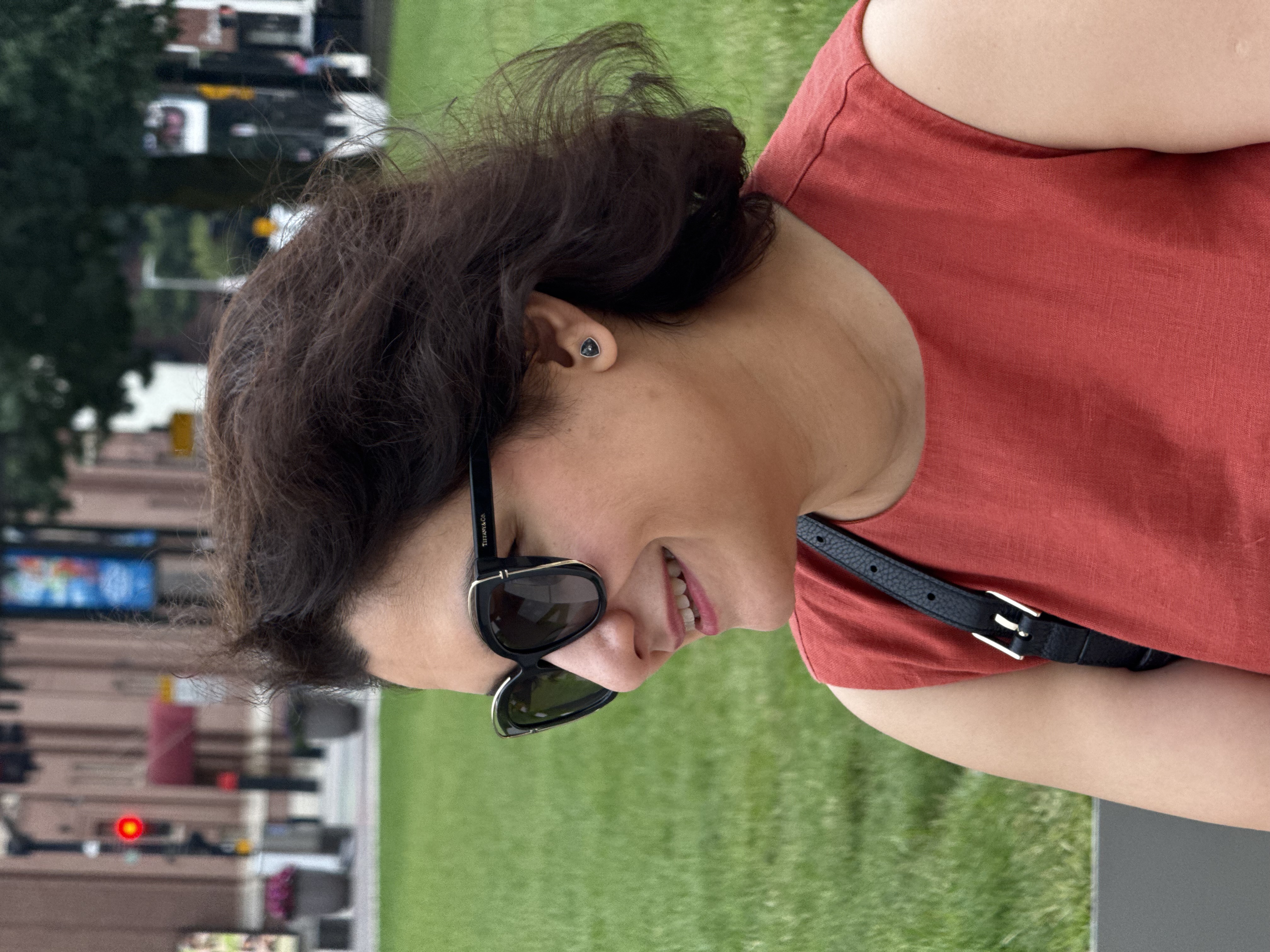
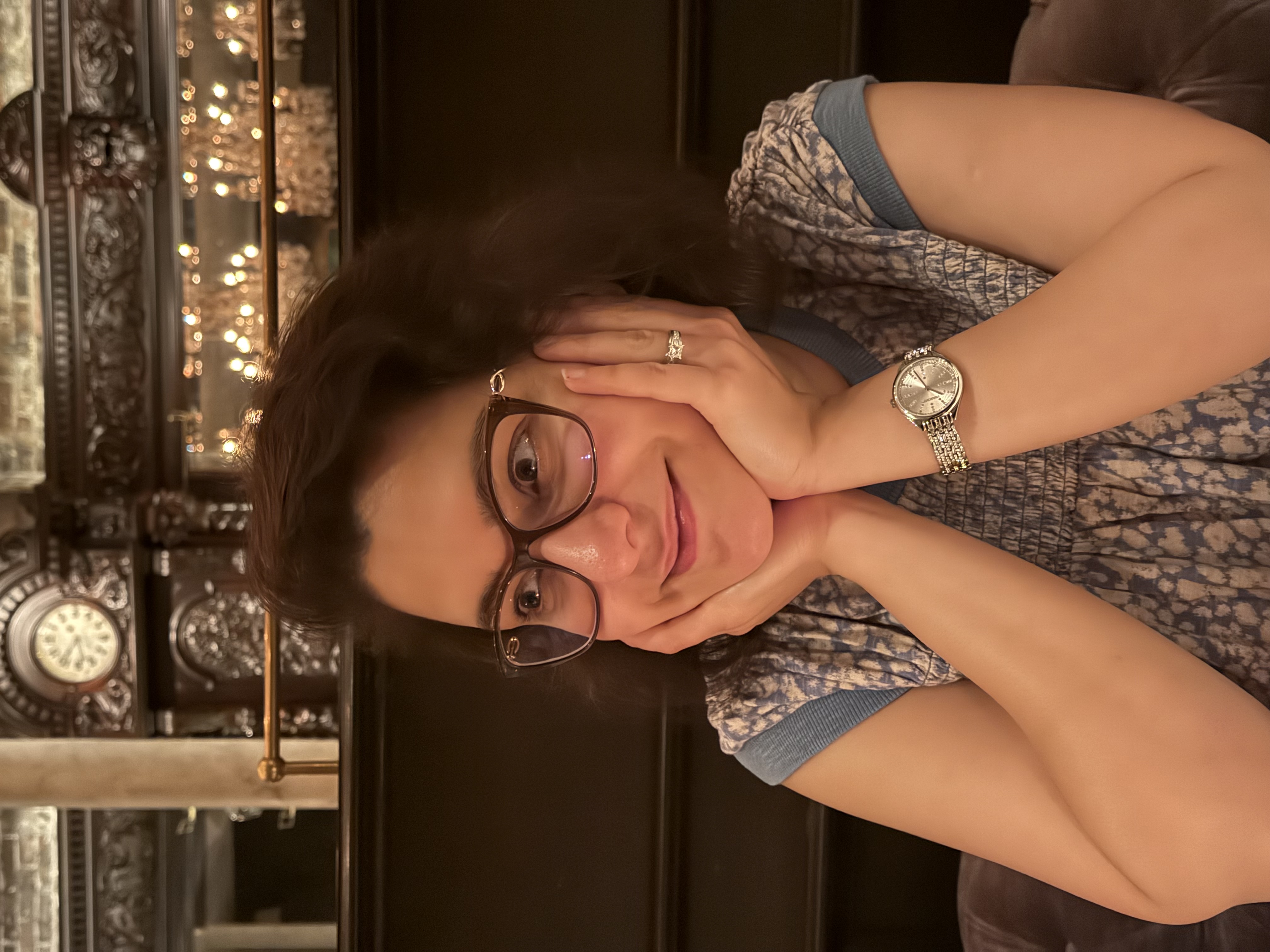
Bahareh is the founding mind behind Gluto. She holds a PhD in computer science and has spent years at the boundary of graph neural networks and generative AI—learning how scattered pieces of information snap together into something you can trust.
Celiac did not take away her curiosity. It rerouted it. The same person who once modeled relationships between abstract nodes now models something even more human: how real people, in real places, stay safely gluten-free.
Portrait — Bahareh
Banafsheh — medicine at the center
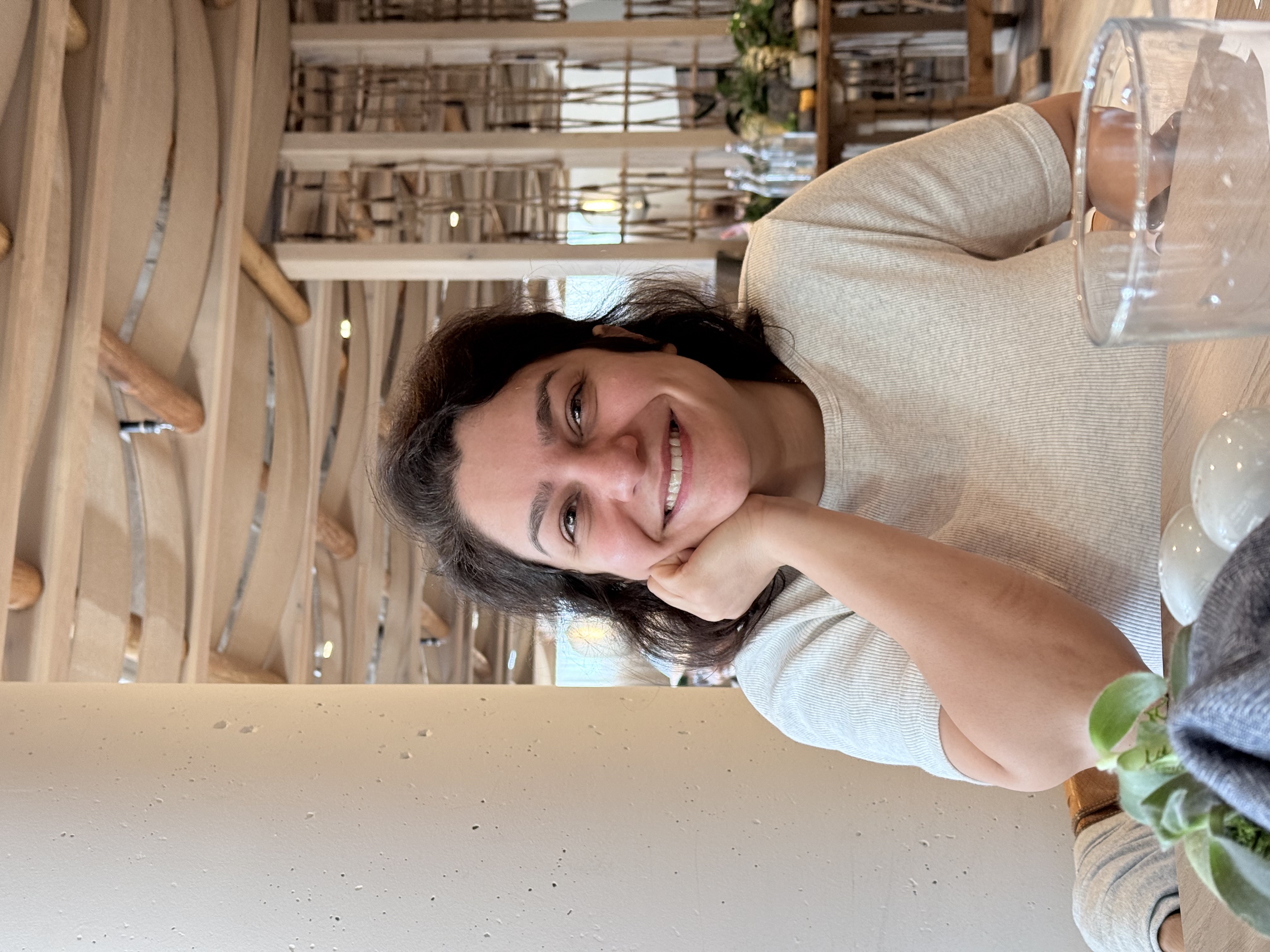
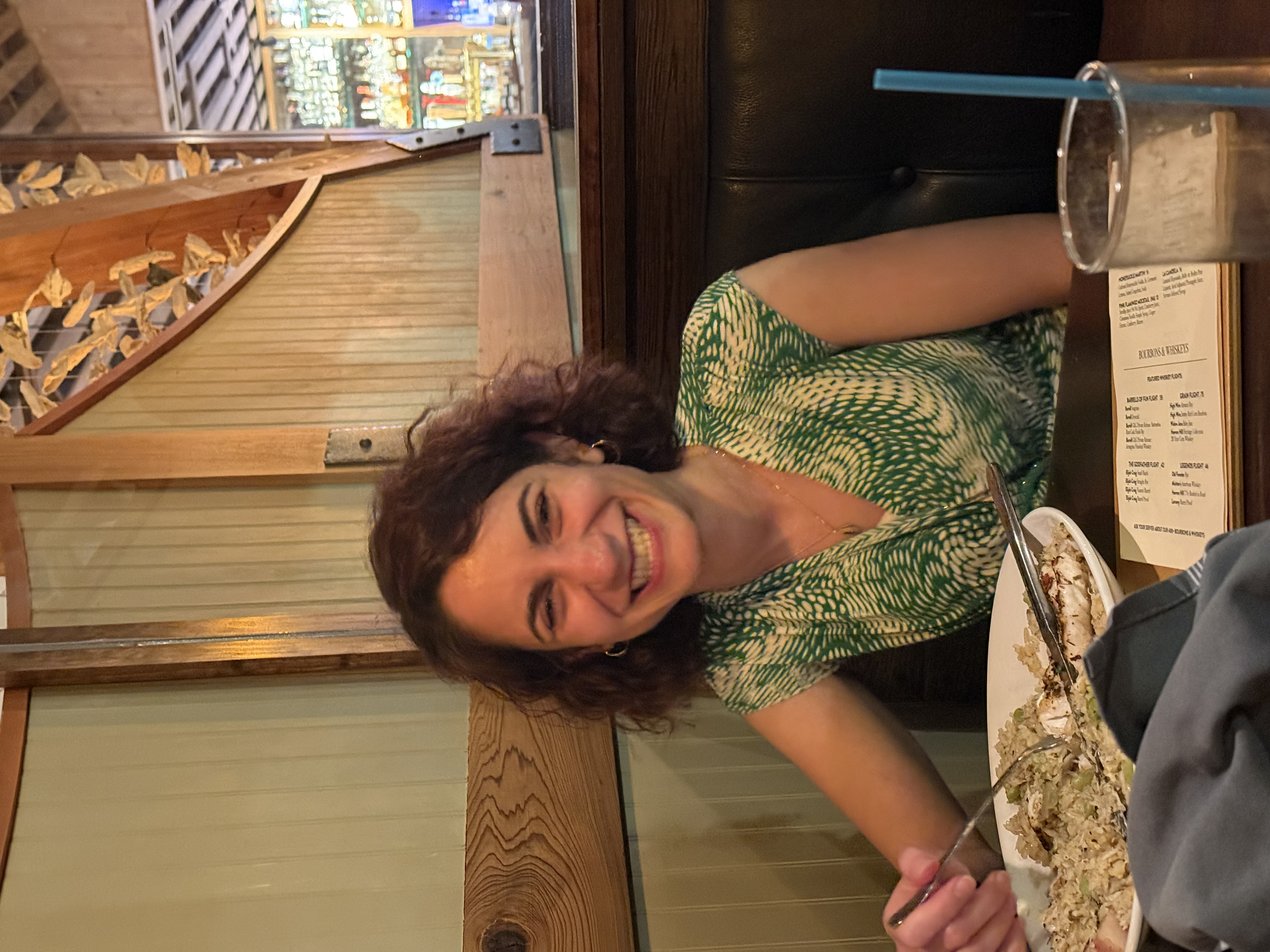
Banafsheh is a physician, currently in neurology residency. She is the sister who asked the hard questions first—and who keeps our compass pointed toward patient safety and evidence, not hype.
Her training reminds us daily: technology should support medical reality, not replace conversations with your own doctor or the staff at a restaurant.
Portrait — Banafsheh
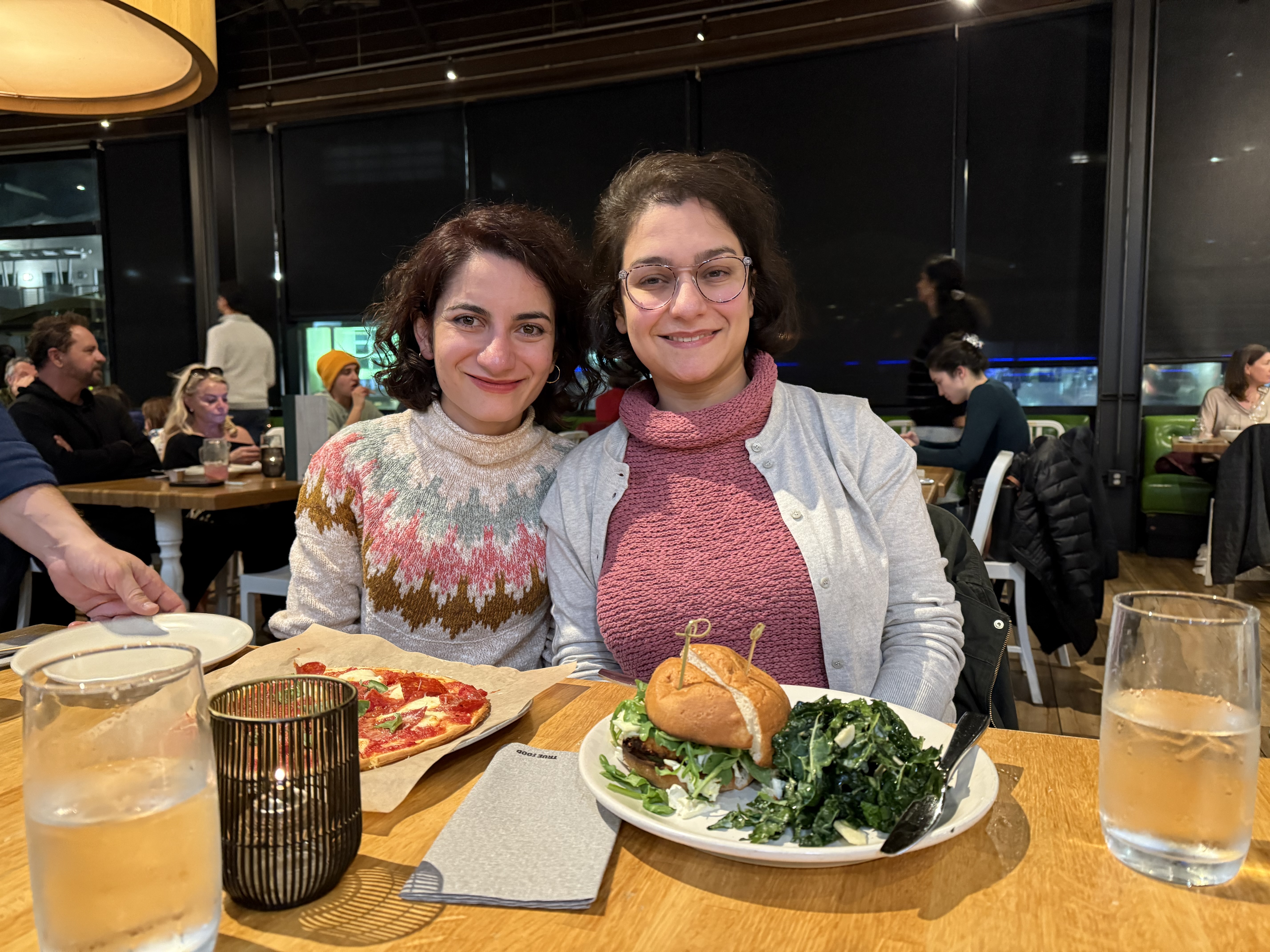
A learning curve the whole family climbed
Celiac is not a solo diagnosis. It rearranges shopping lists, holiday tables, and the rhythm of “who checks the soy sauce.” Our family learned together—sometimes through mistakes, more often through patience, spreadsheets, and laughter after long days.
Together
Saeed & Bahareh — the kitchen and the code
Saeed is Bahareh’s husband: a data scientist who also happens to be a remarkable cook. While Bahareh thinks in graphs and models, Saeed thinks in datasets and pipelines—and in the quiet magic of a meal that everyone can eat without fear.
Together they studied gluten-free living the way scientists study anything: read, measure, test, repeat. About two years ago that discipline turned into scripts: tools to collect information, score confidence, and decide where it was reasonable to eat abroad.
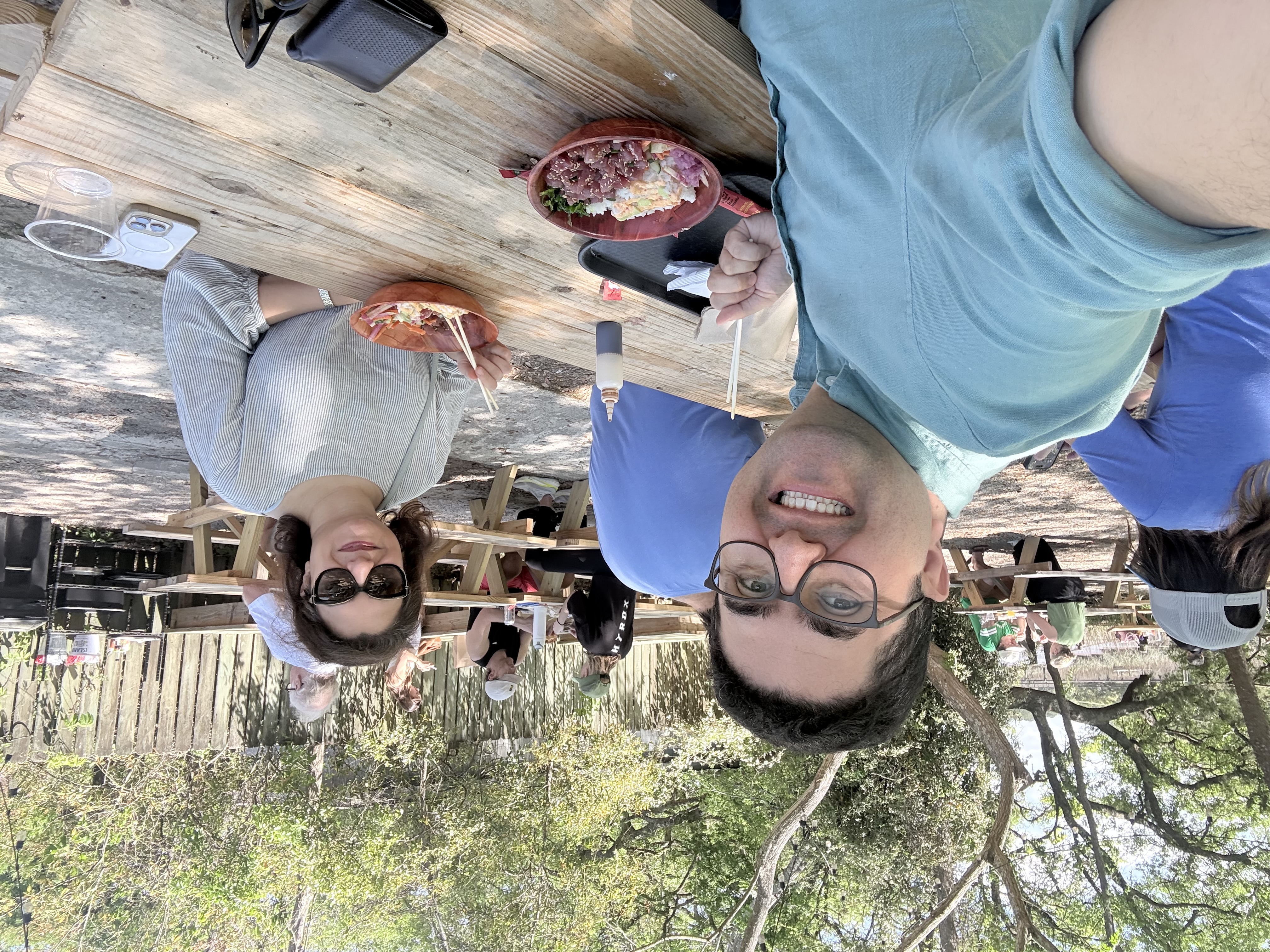
The personal experiment felt audacious: four European countries, twenty-five days, roughly seventy-five meals out—each one researched ahead of time with the same care as a lab notebook. For our family, that trip was a milestone: celiac stopped feeling like a wall and started feeling like a constraint we could engineer around.
Somewhere over the Atlantic, flying home to Detroit, Michigan, the sketches for Gluto stopped being “our trip tools” and became a question we could not ignore: what if everyone with celiac had this kind of help in their pocket?
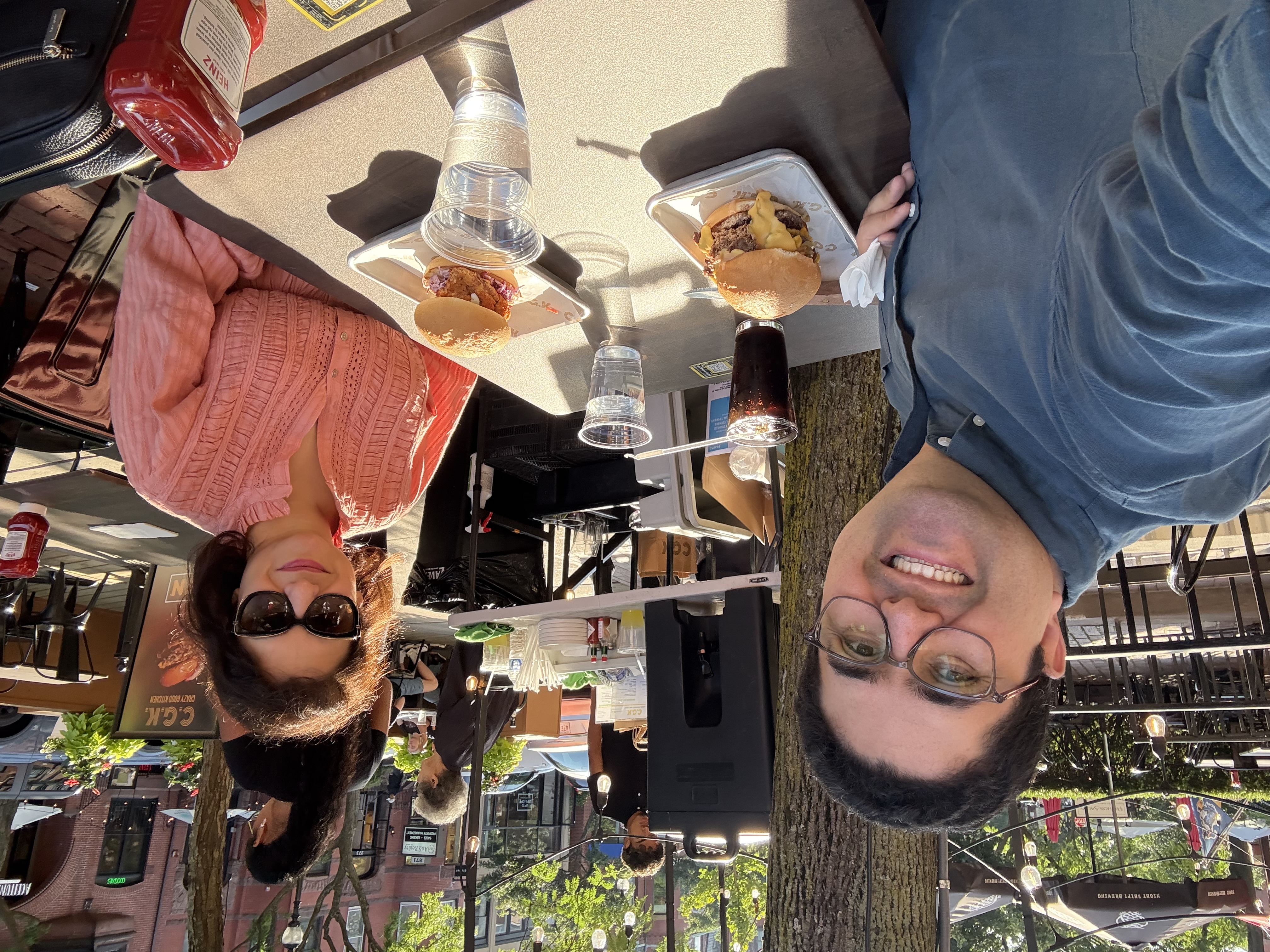
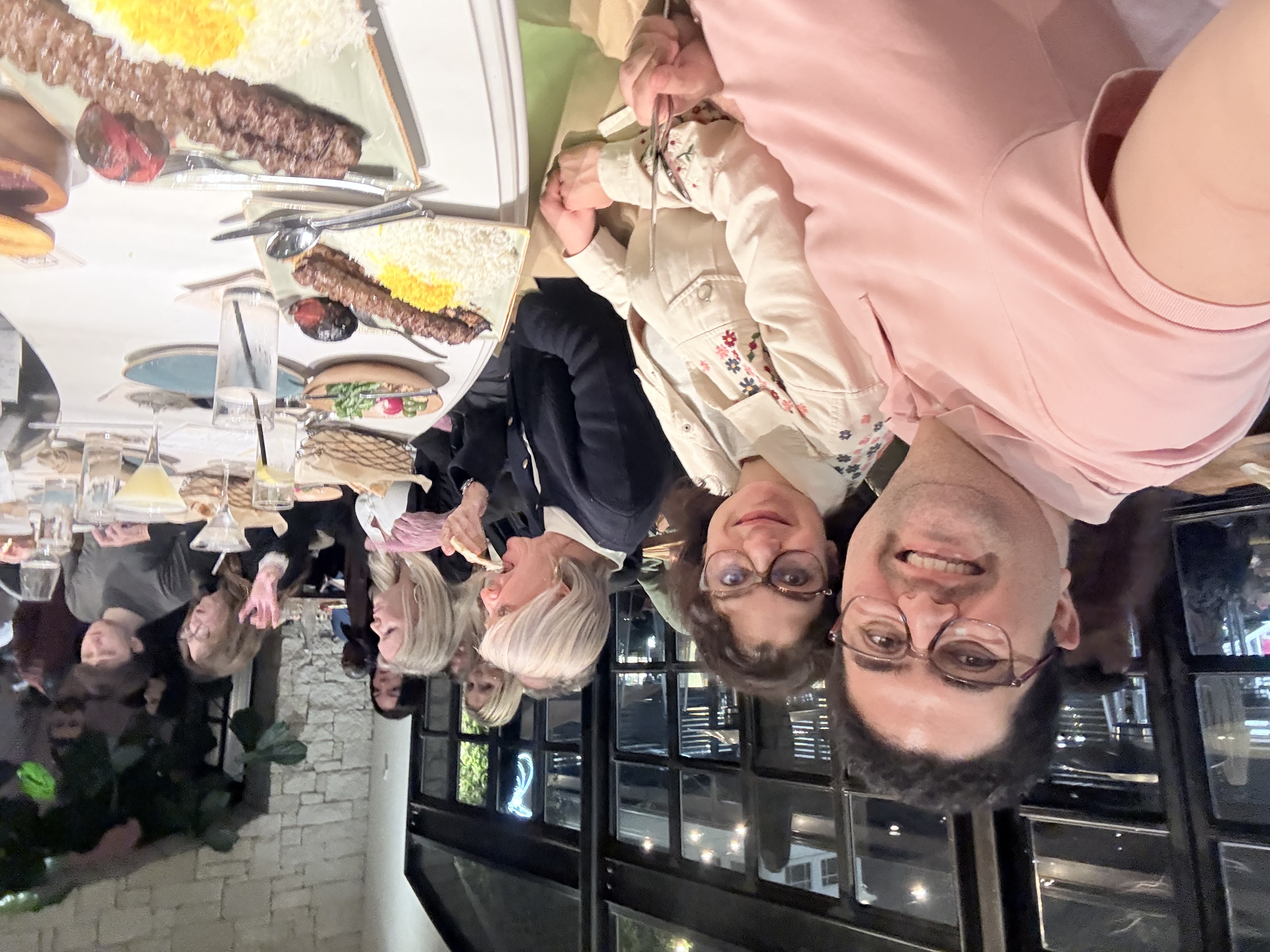
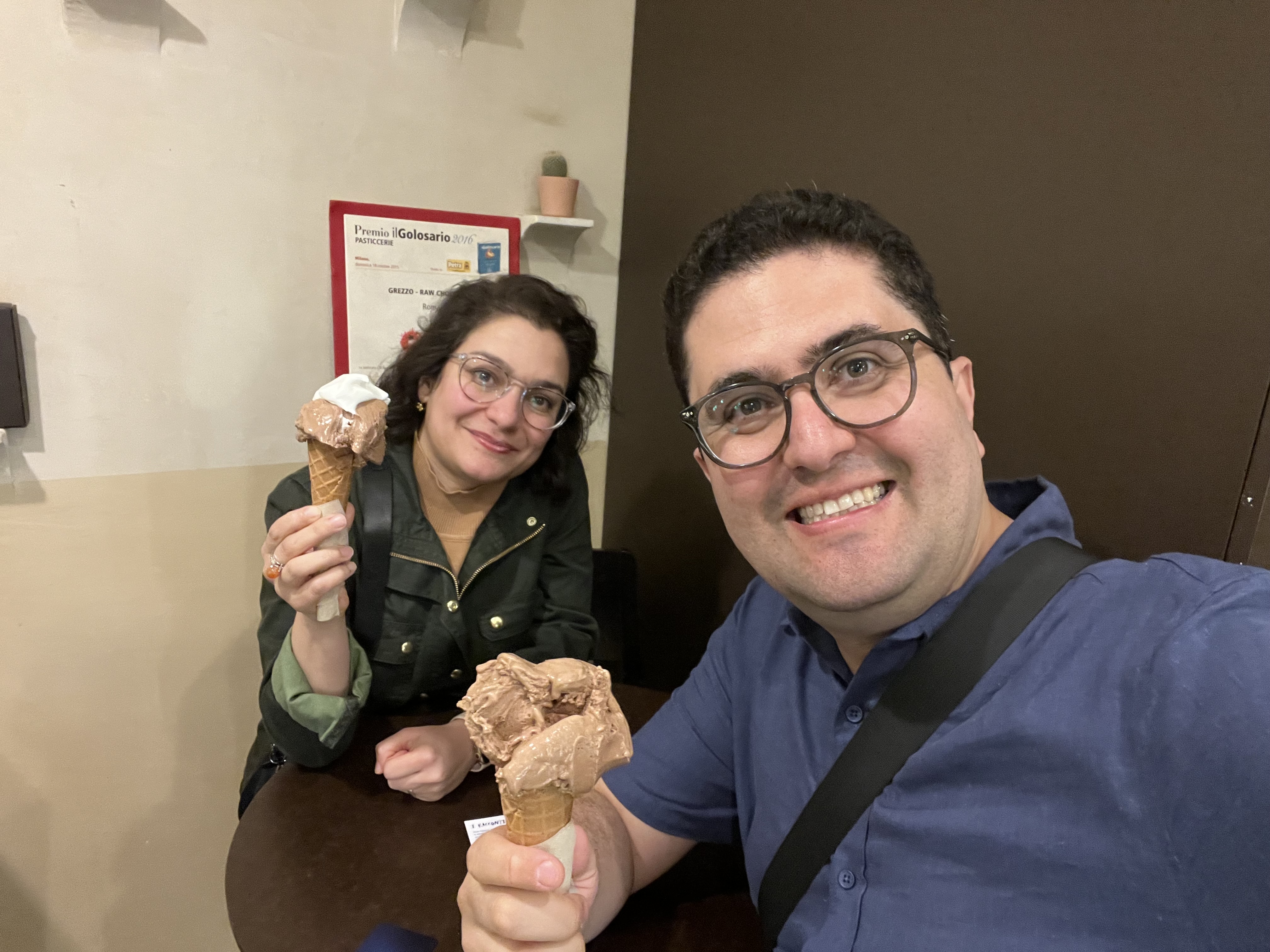
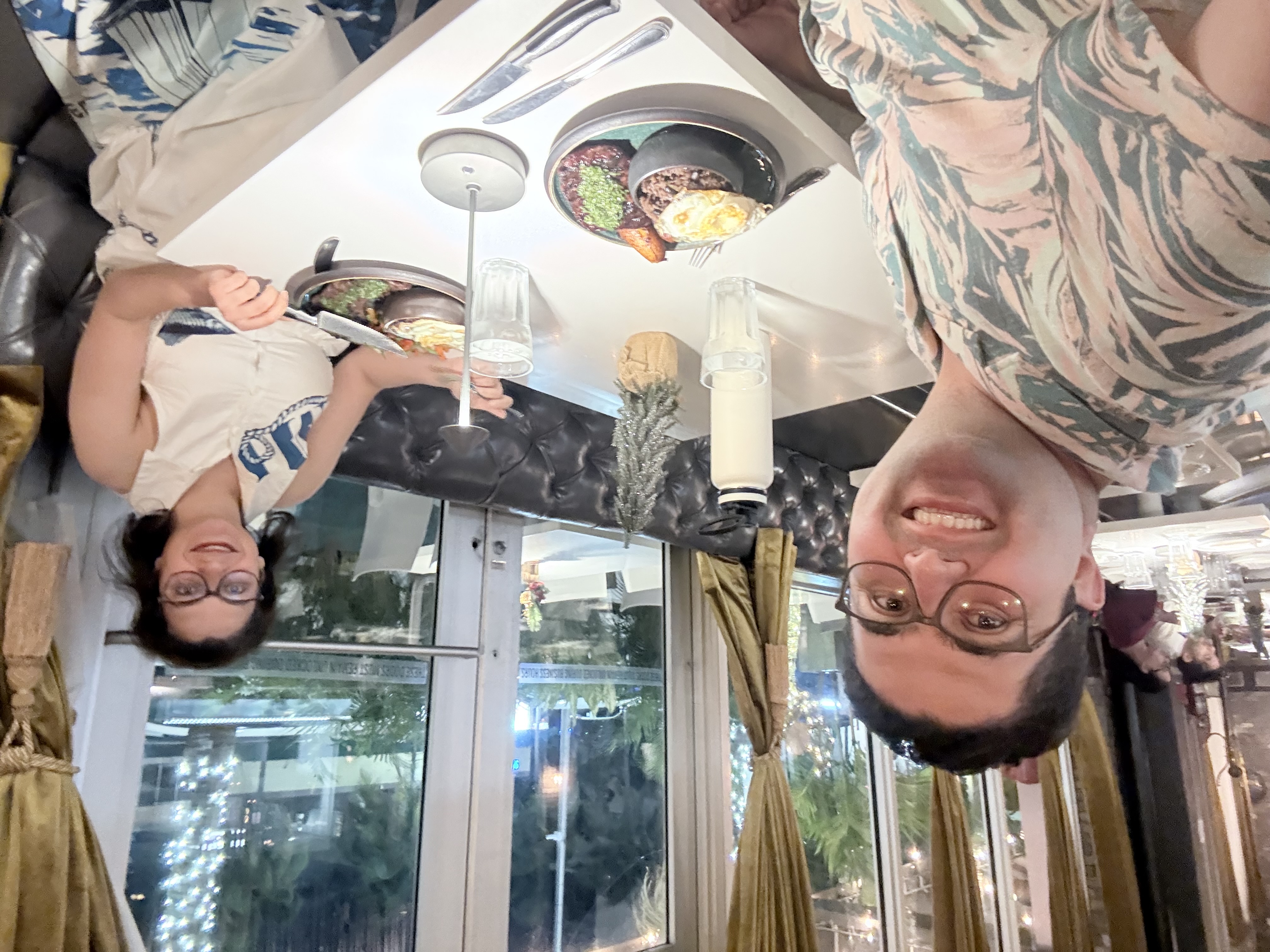
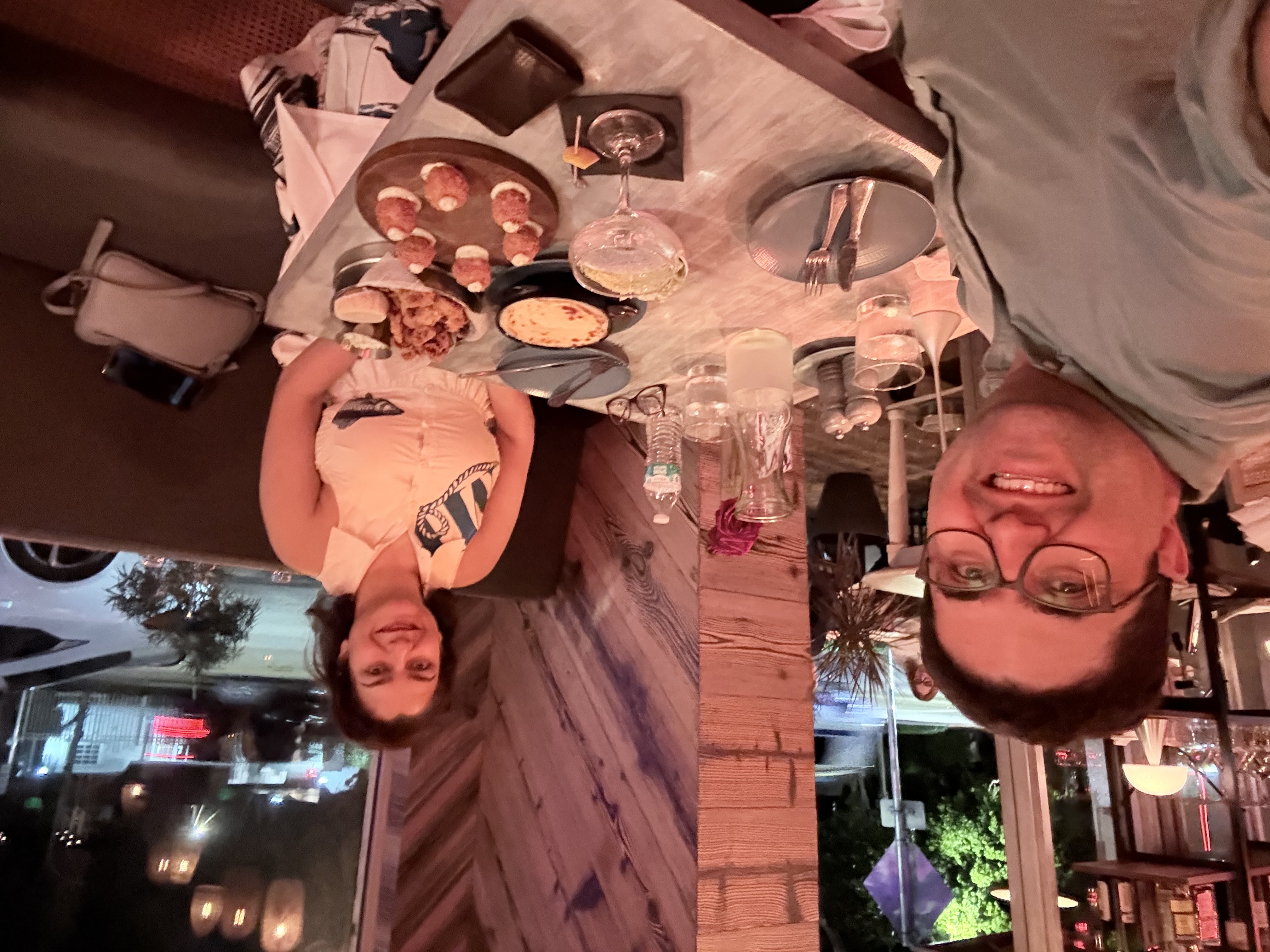
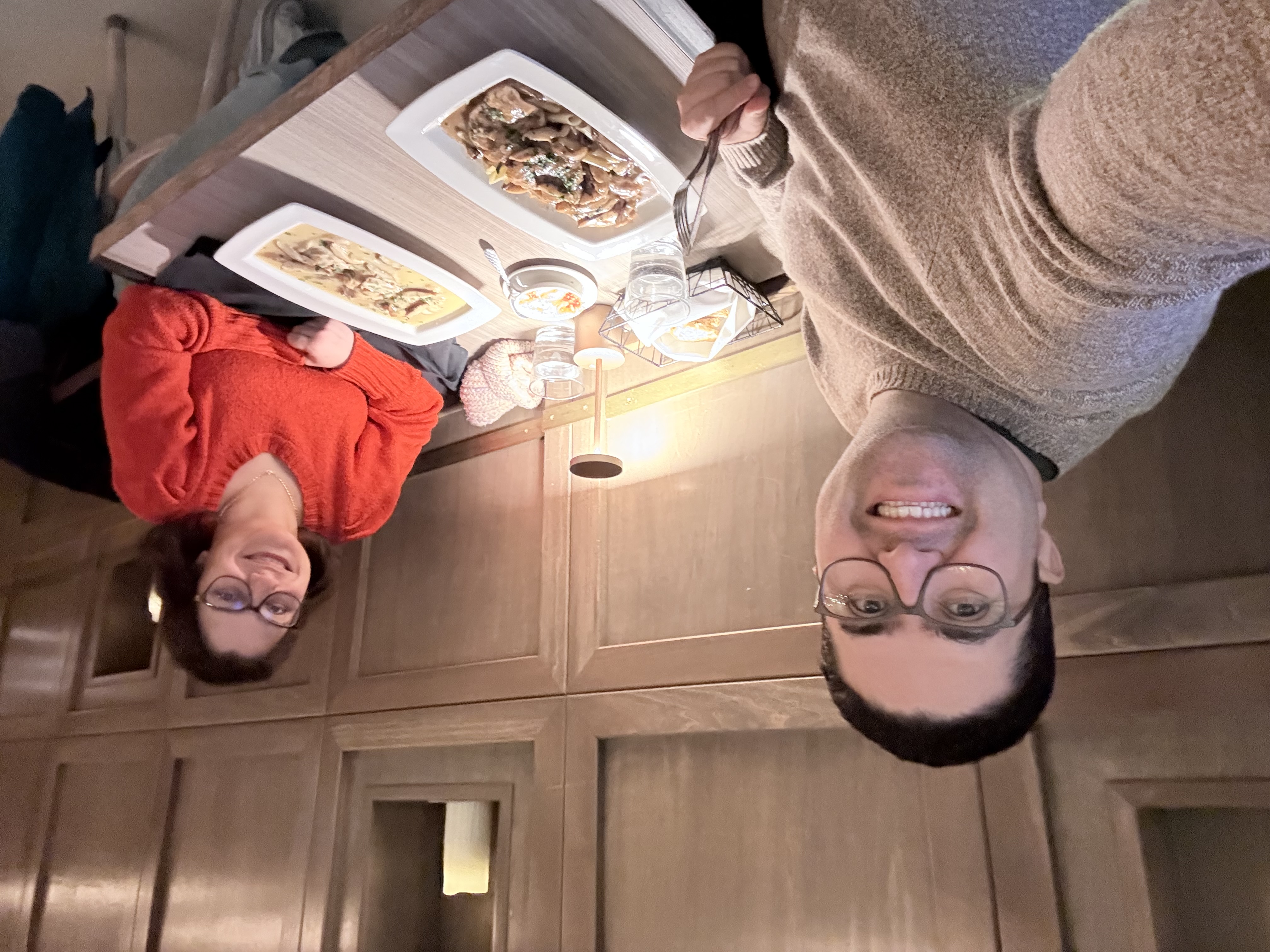
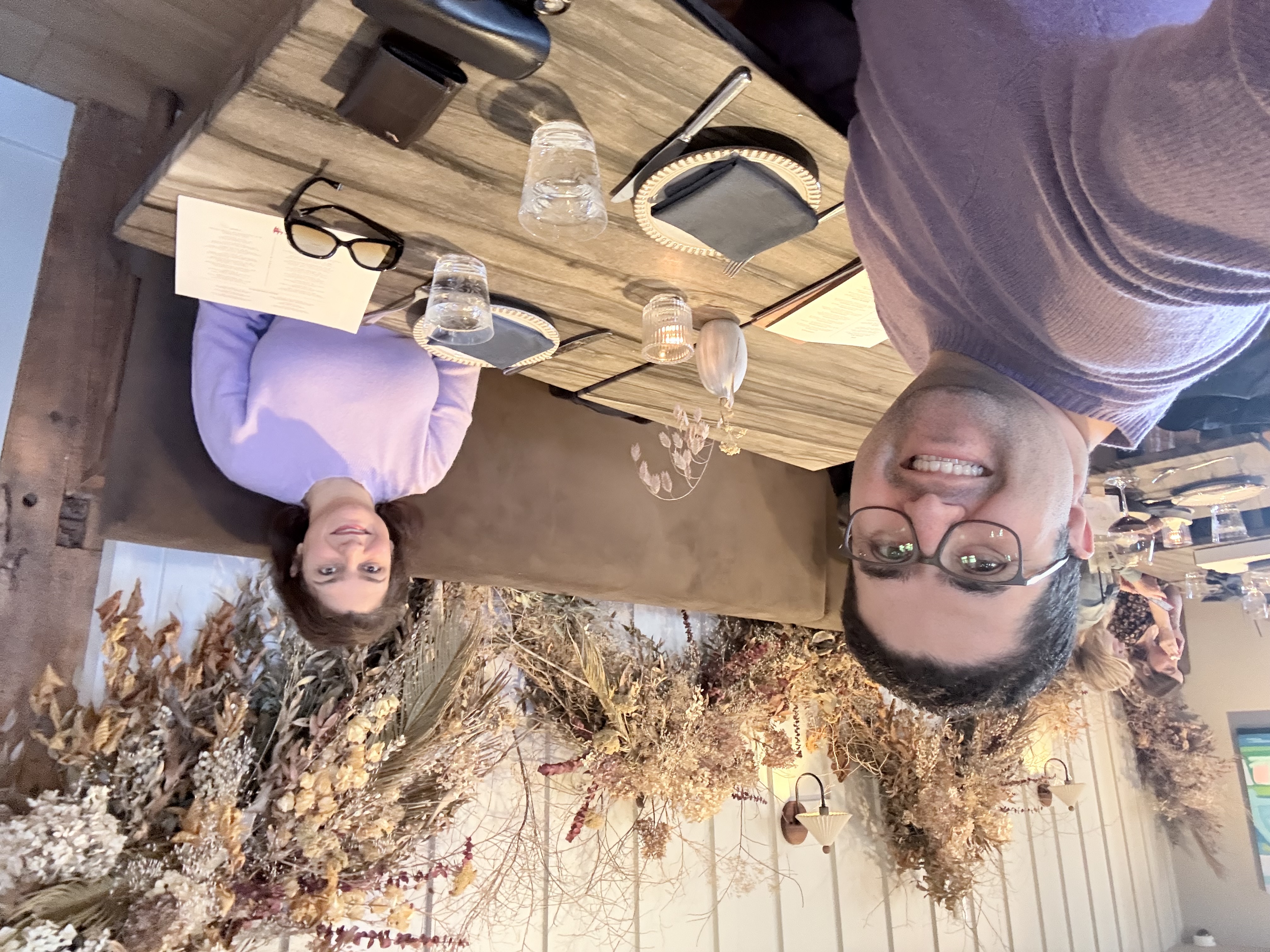
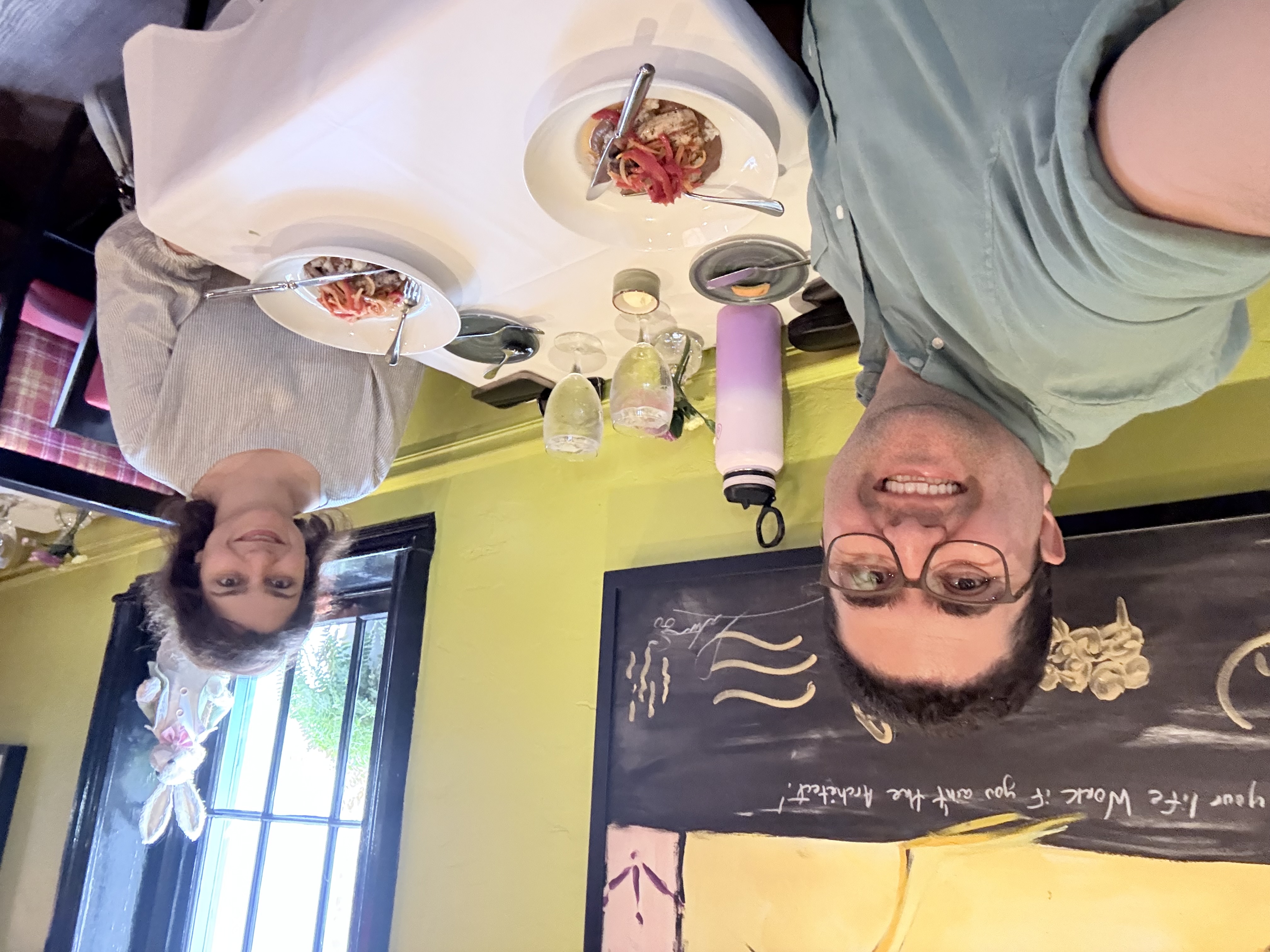
Eating around the world — Bahareh & Saeed
Gluto was born
Back home, Gluto grew from a family prototype into a product: a knowledgeable assistant for the roughly one percent of people worldwide who live with celiac—something closer to “ChatGPT if it grew up reading menus, forums, medical nuance, and train-station kiosks in six languages.”
We are scientists first. That means we care about sources, updates, and honesty about uncertainty. It also means we believe difficult daily problems deserve the same ingenuity we bring to our day jobs.
The rest of the table
Shawn is Bahareh and Banafsheh’s brother—an MBA student who keeps us honest about story, strategy, and how Gluto should feel in someone’s hand when they are already stressed and hungry.
Bahareh
Founder · PhD computer science · Graph learning & generative AI
Banafsheh
Physician · Neurology resident · Clinical judgment & safety culture
Saeed
Data science · Gen AI · Home cooking that keeps hope on the plate
Shawn
MBA student · Brother · Business narrative & product sense
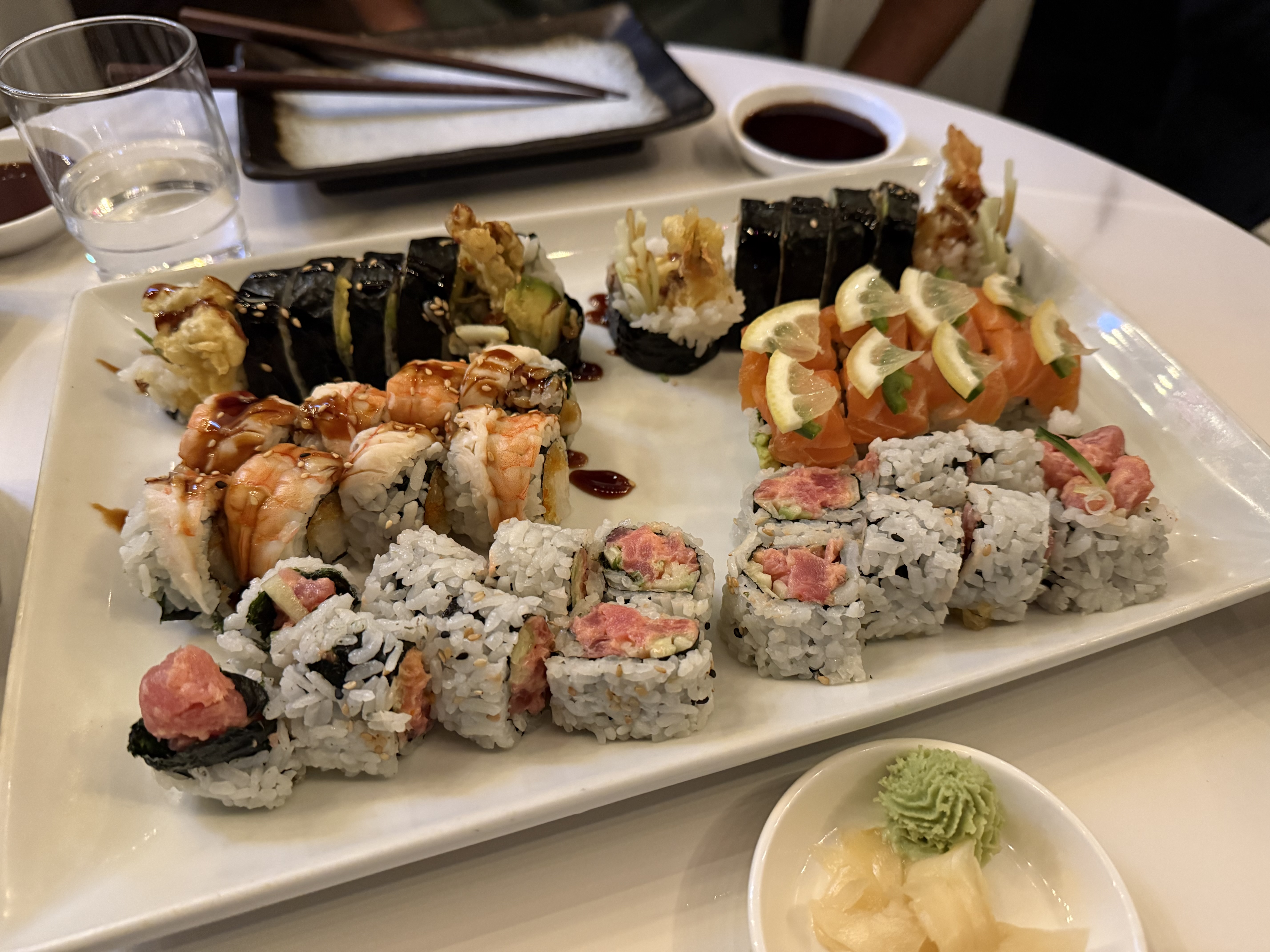
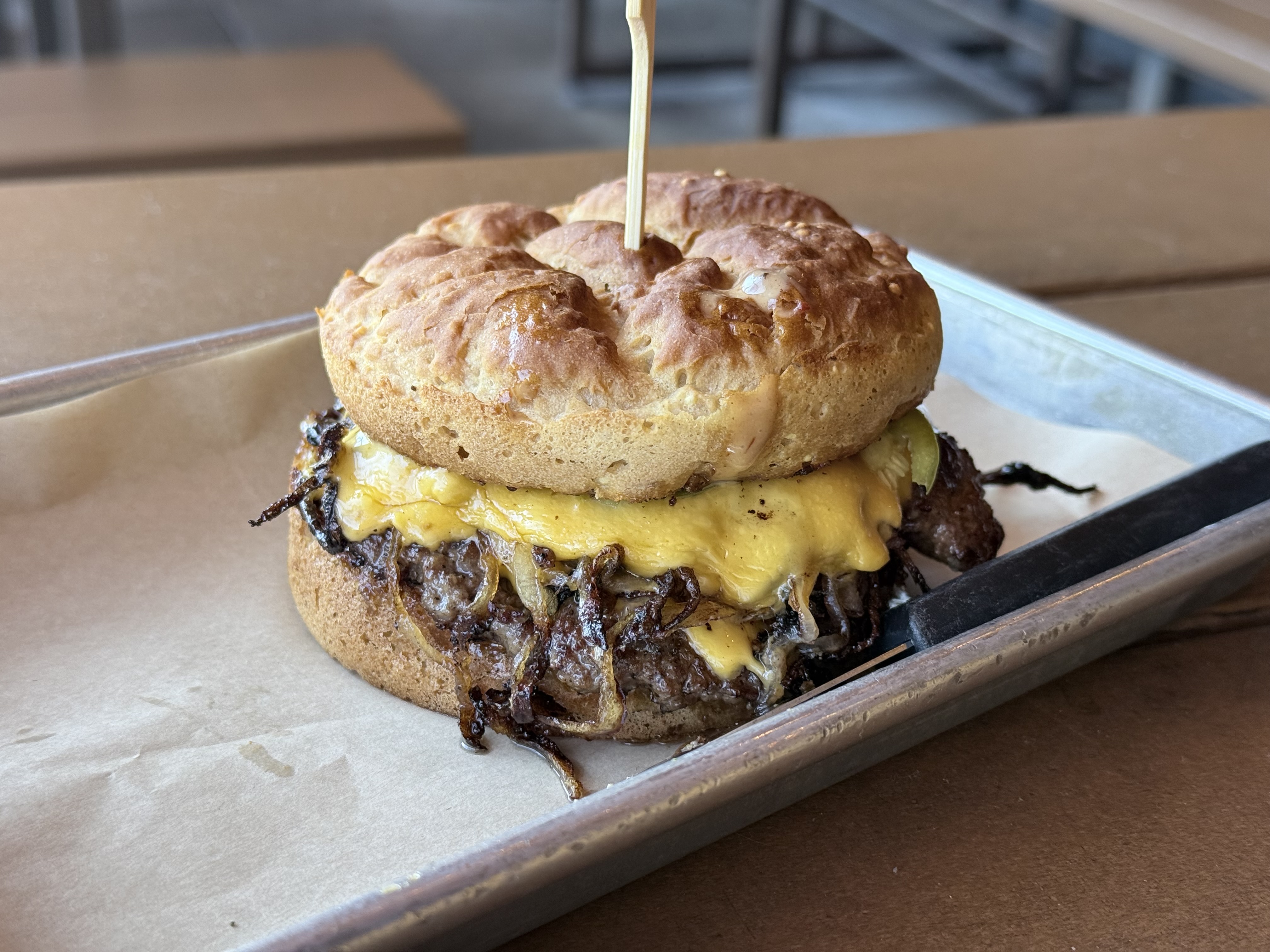
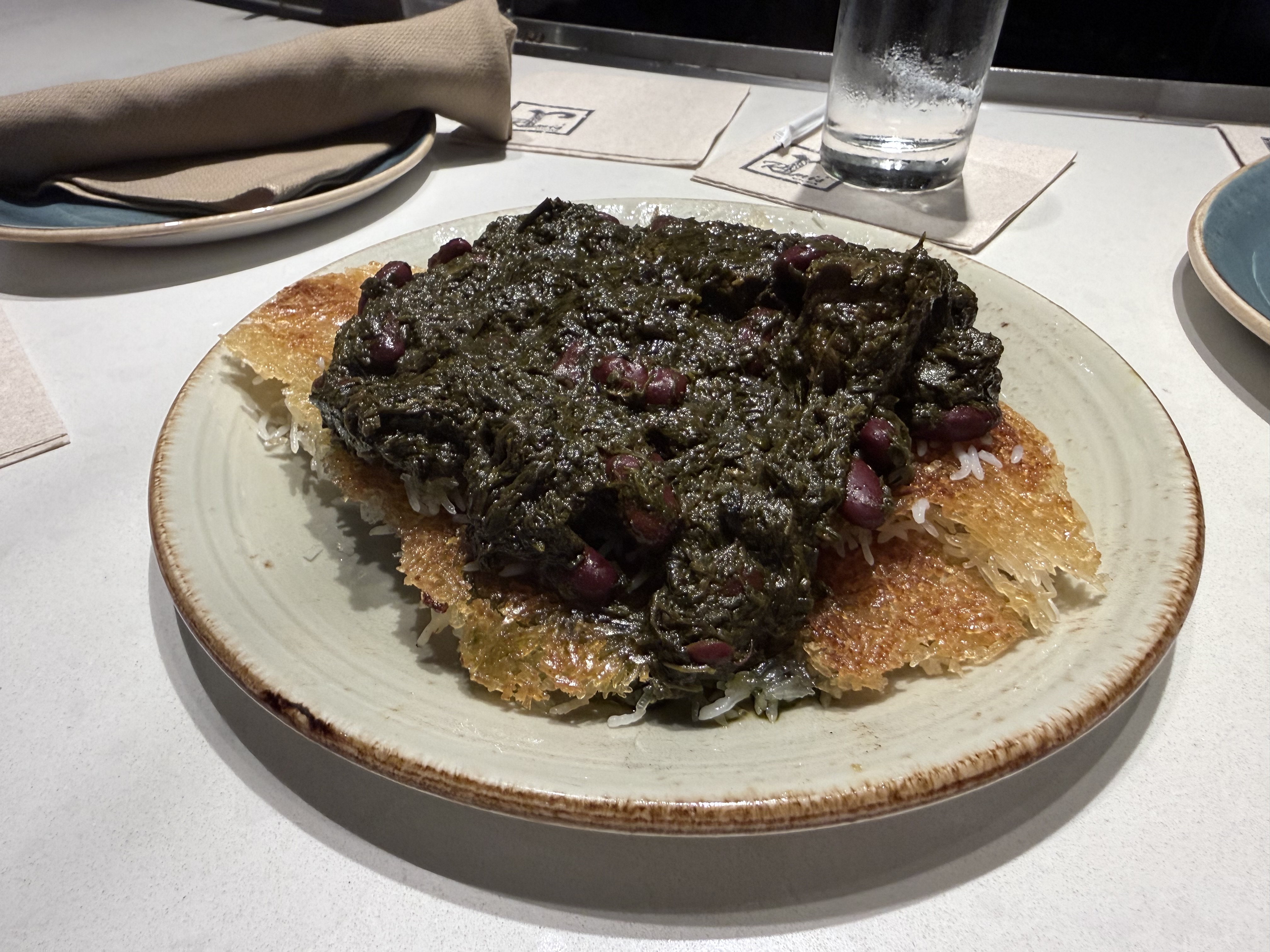
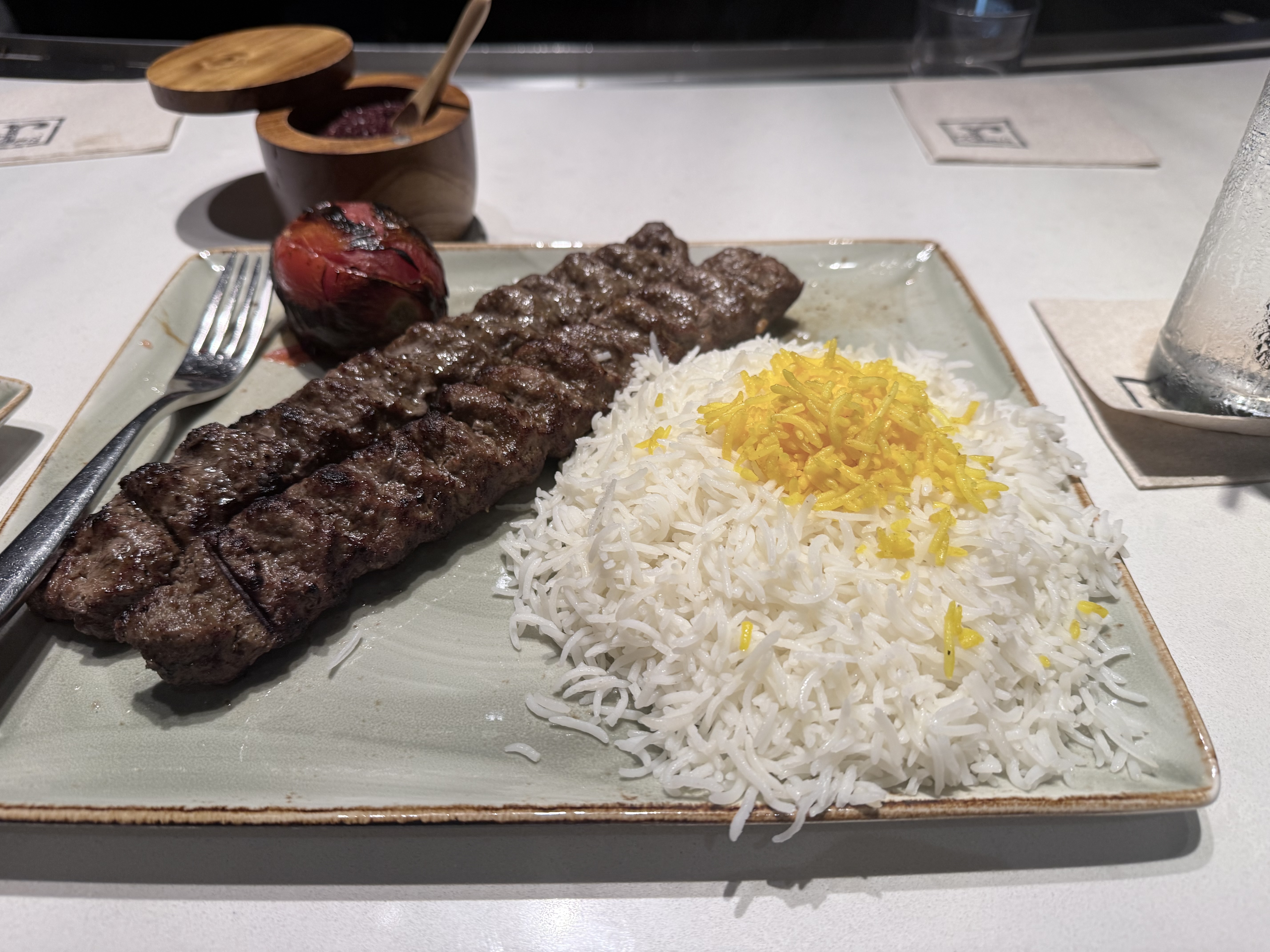
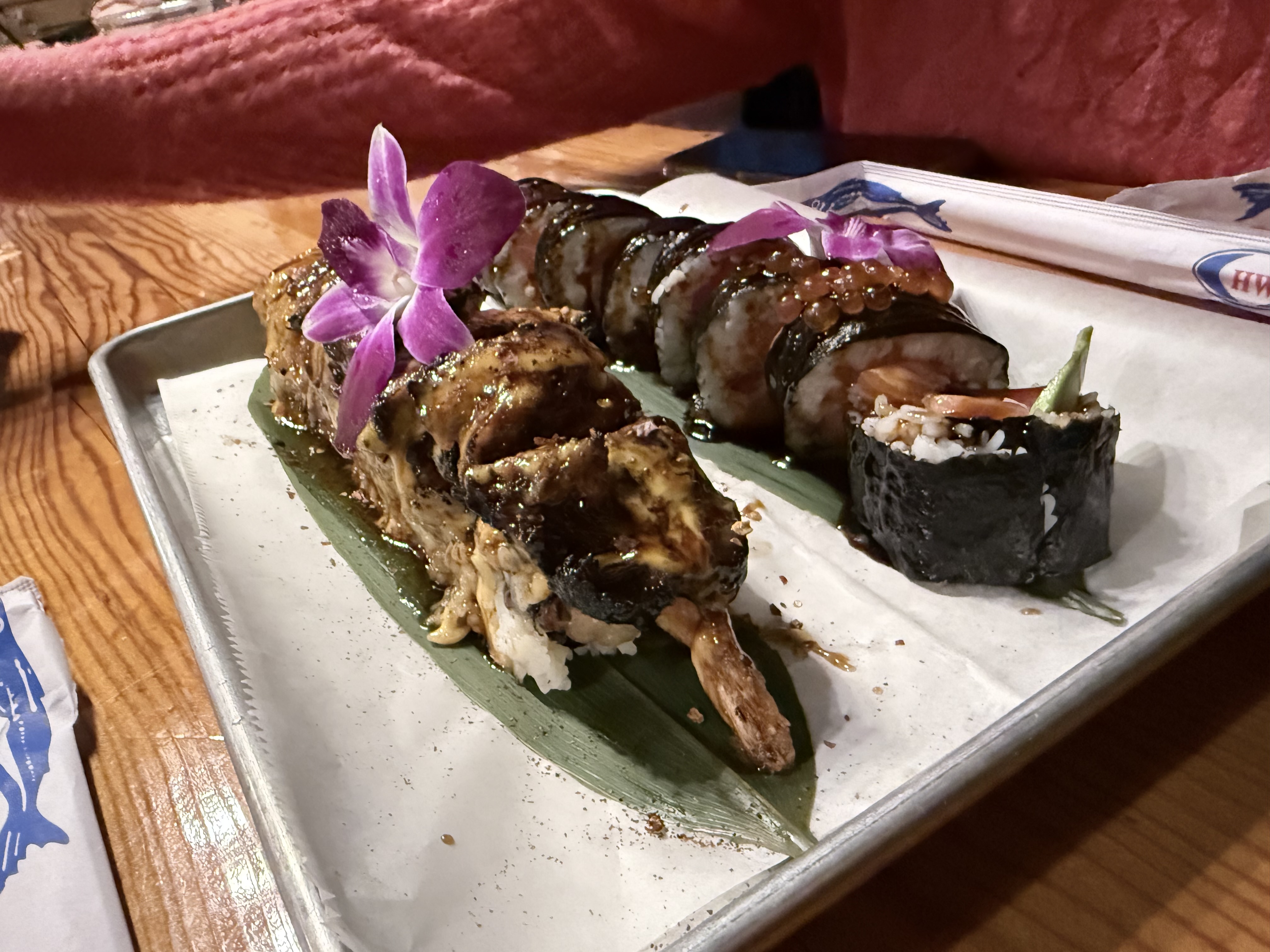
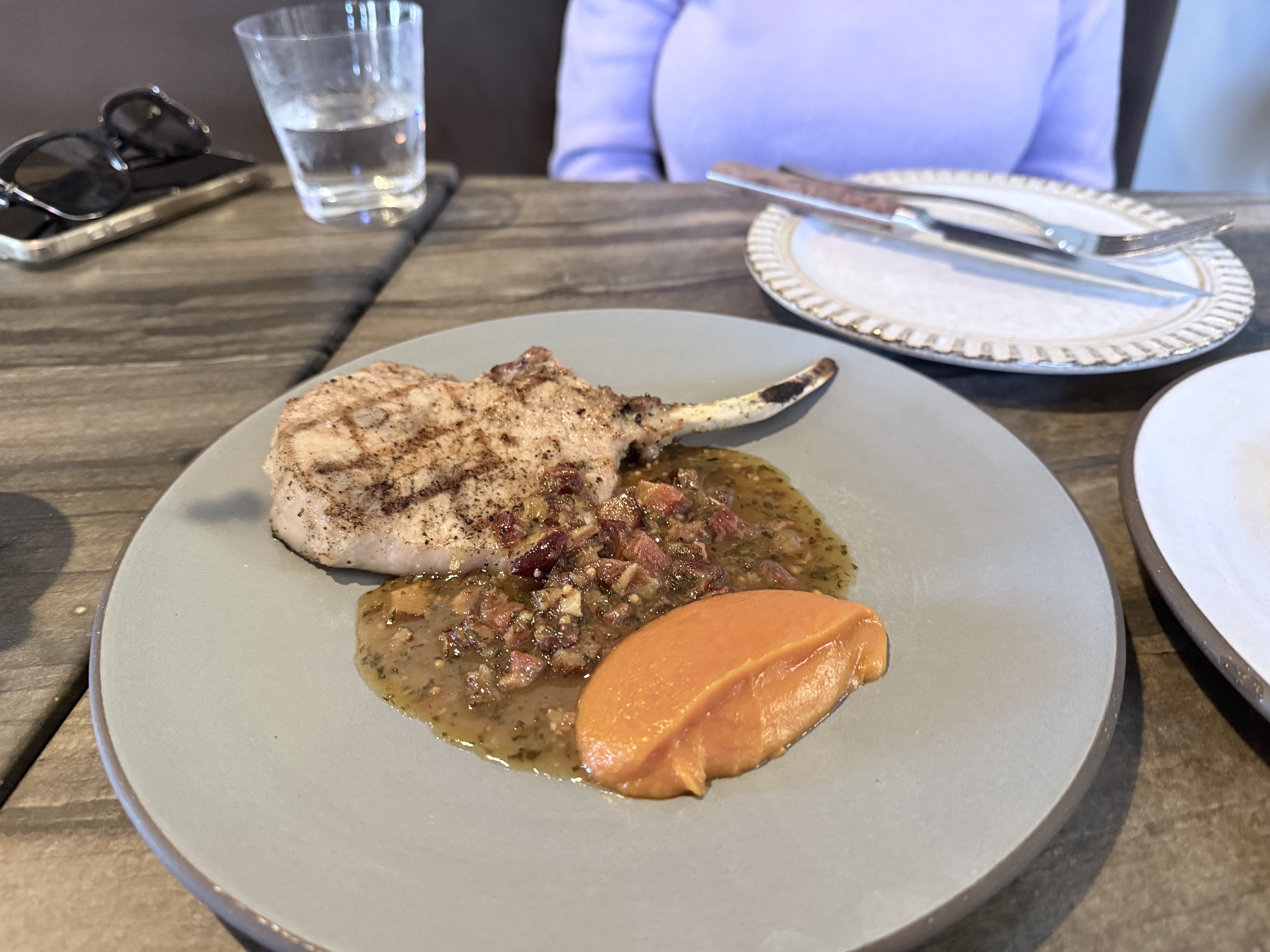
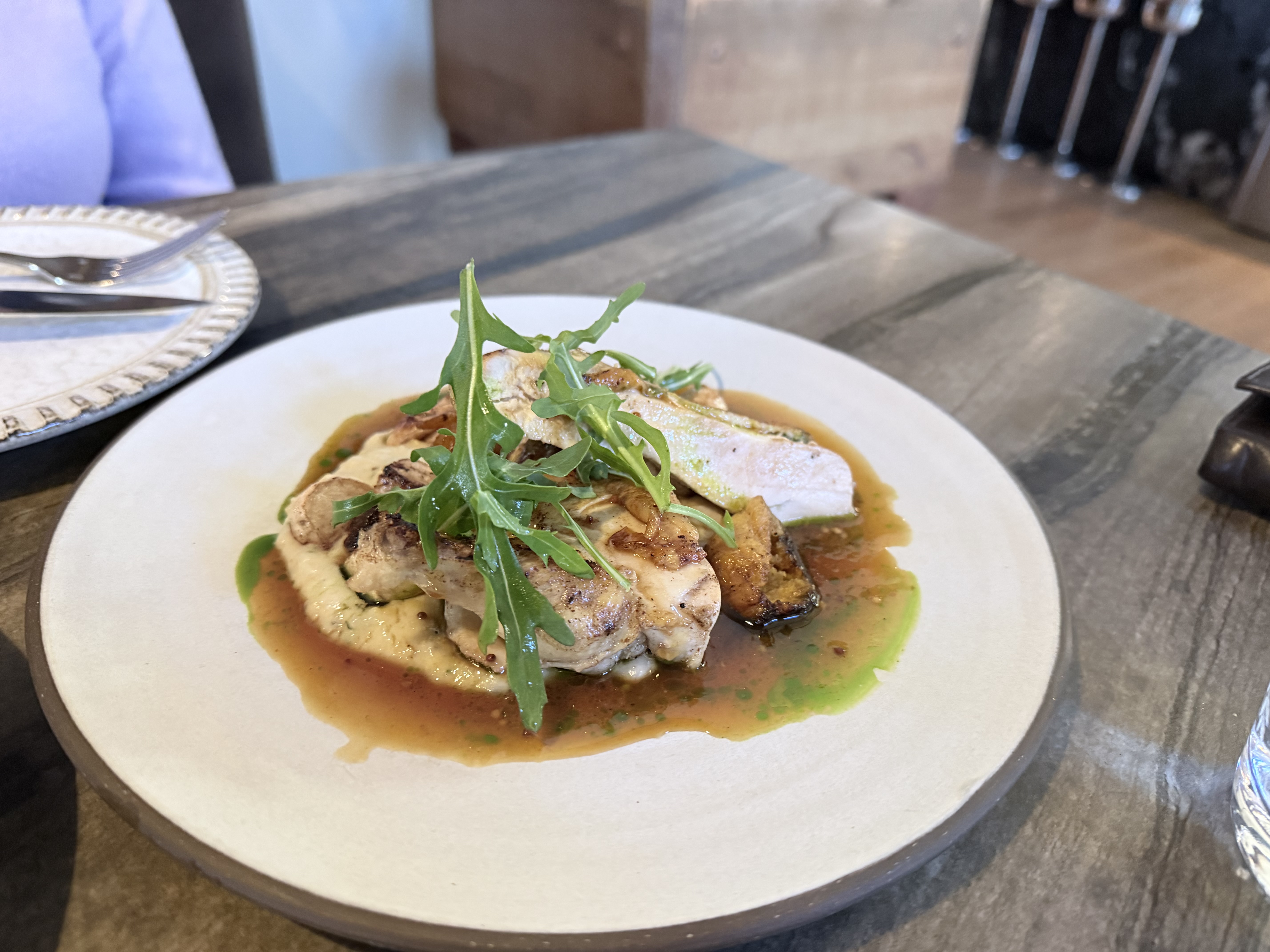
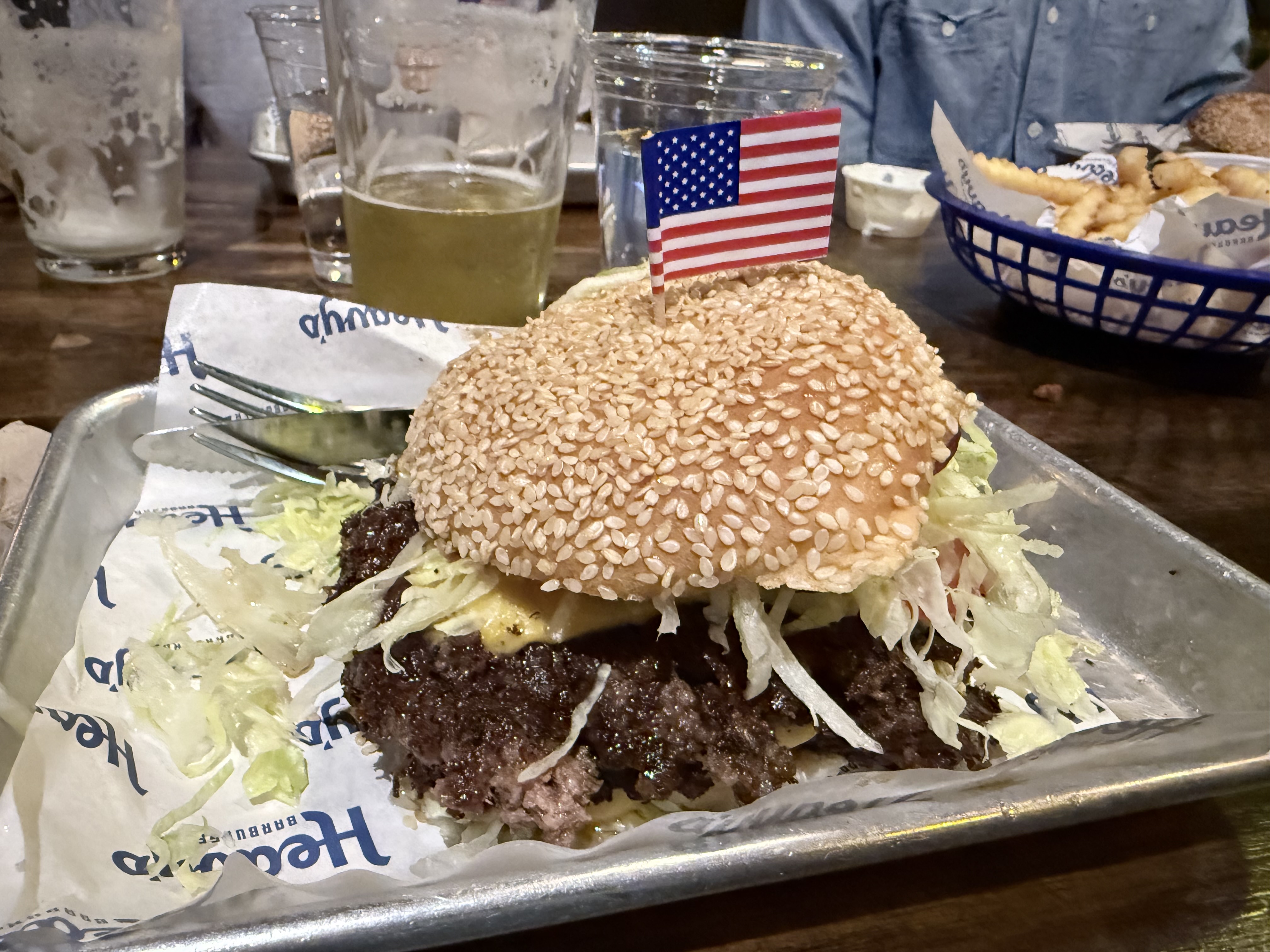
What we ate while we tested Gluto
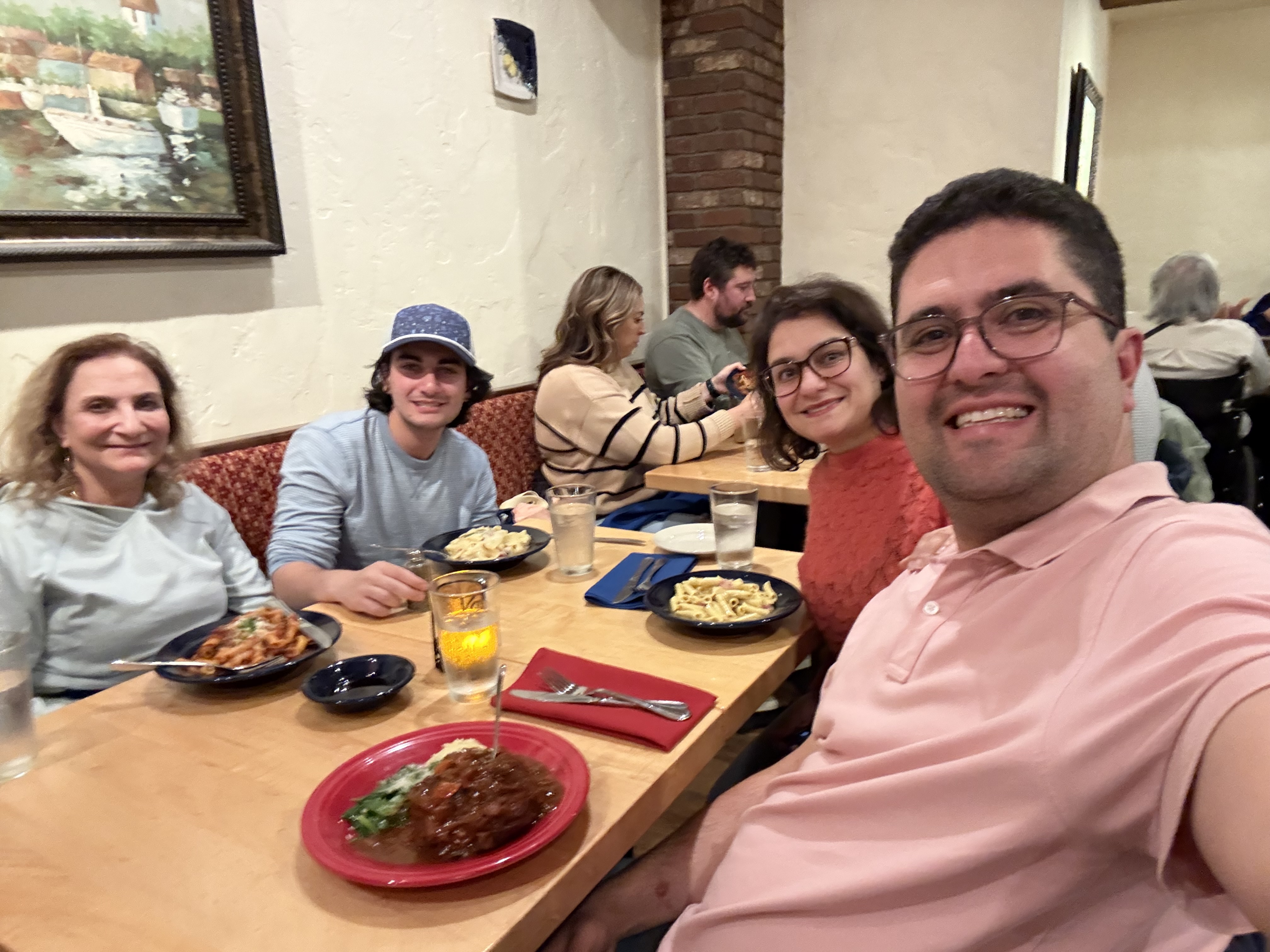
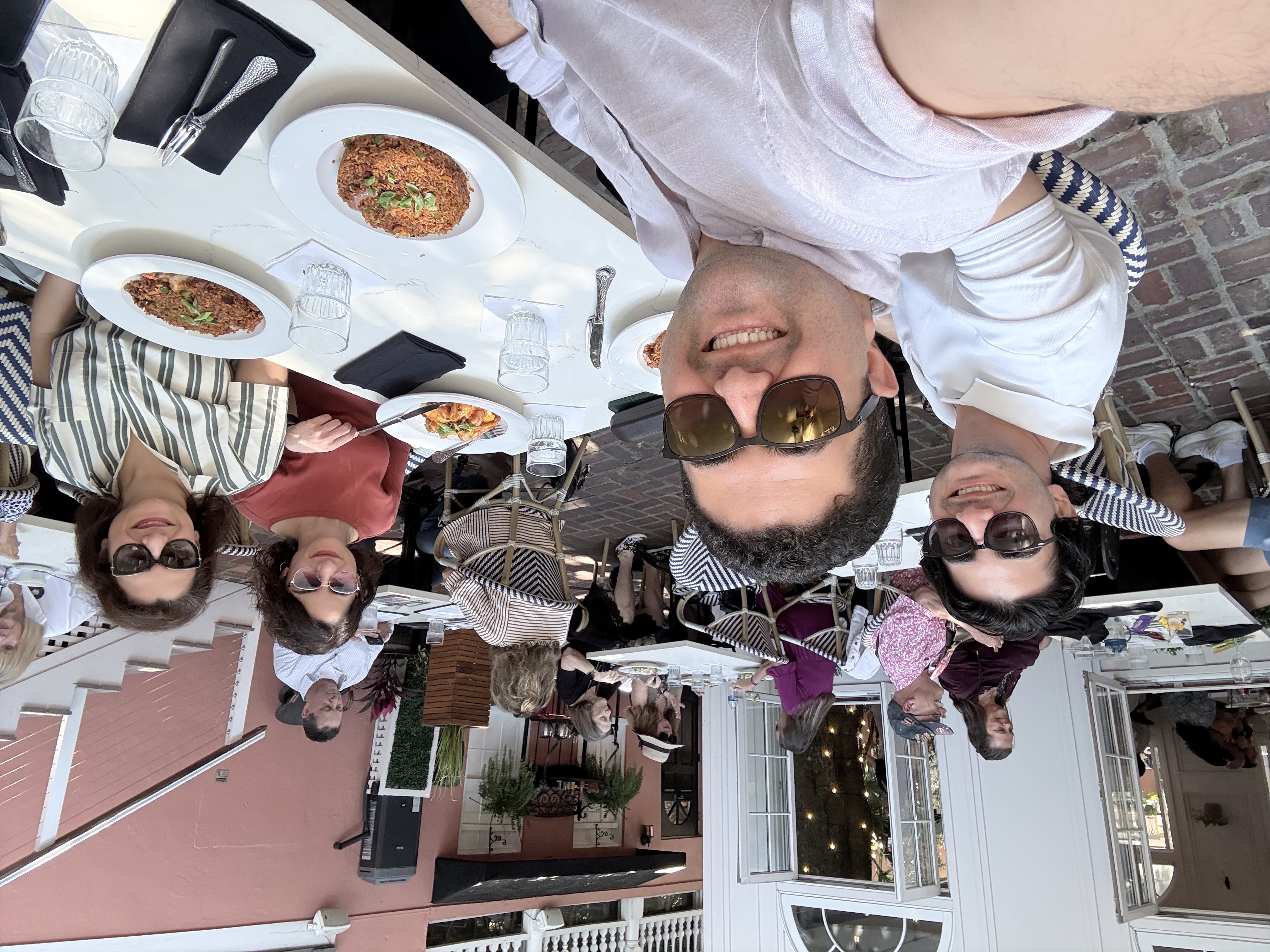
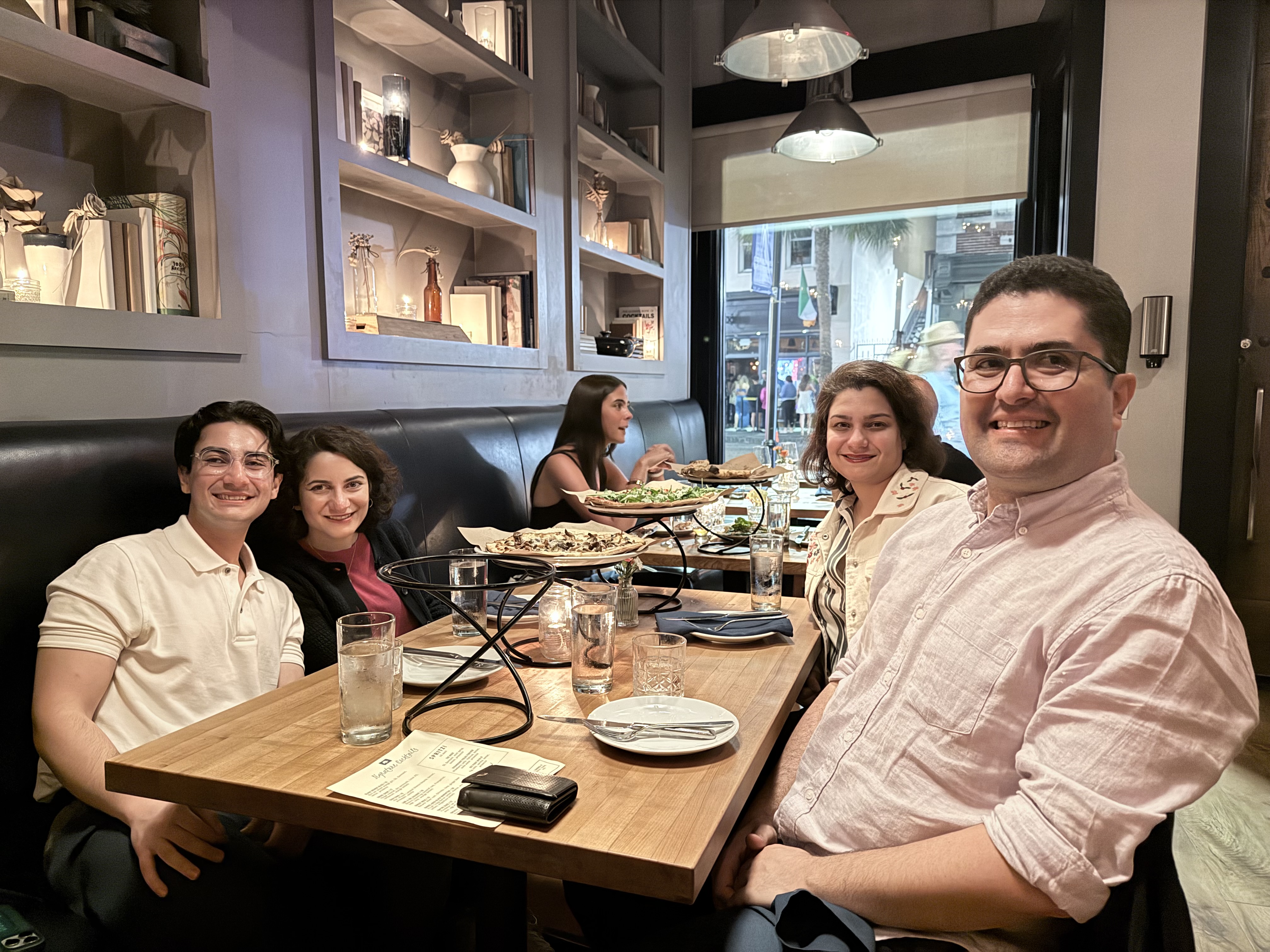
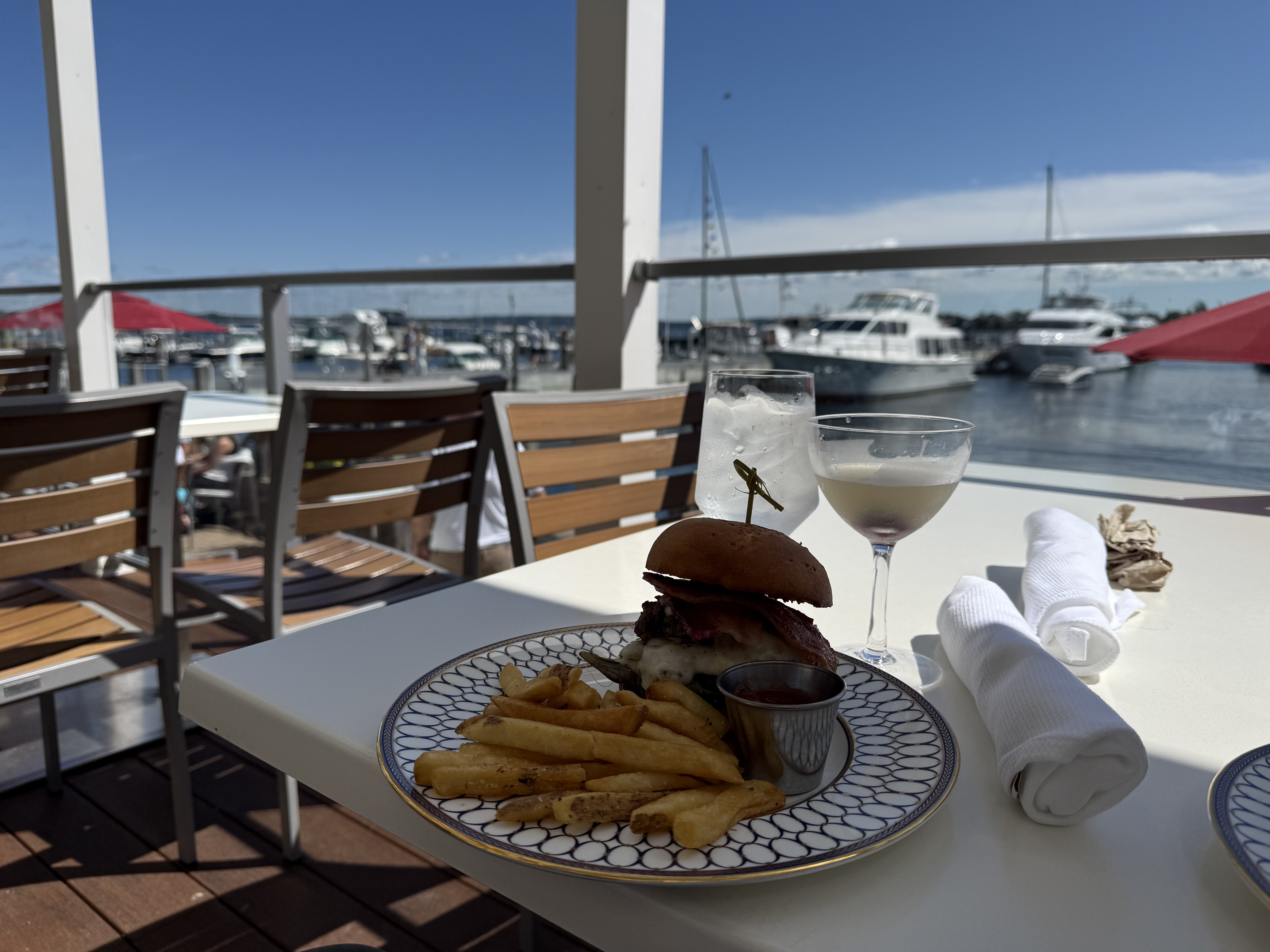
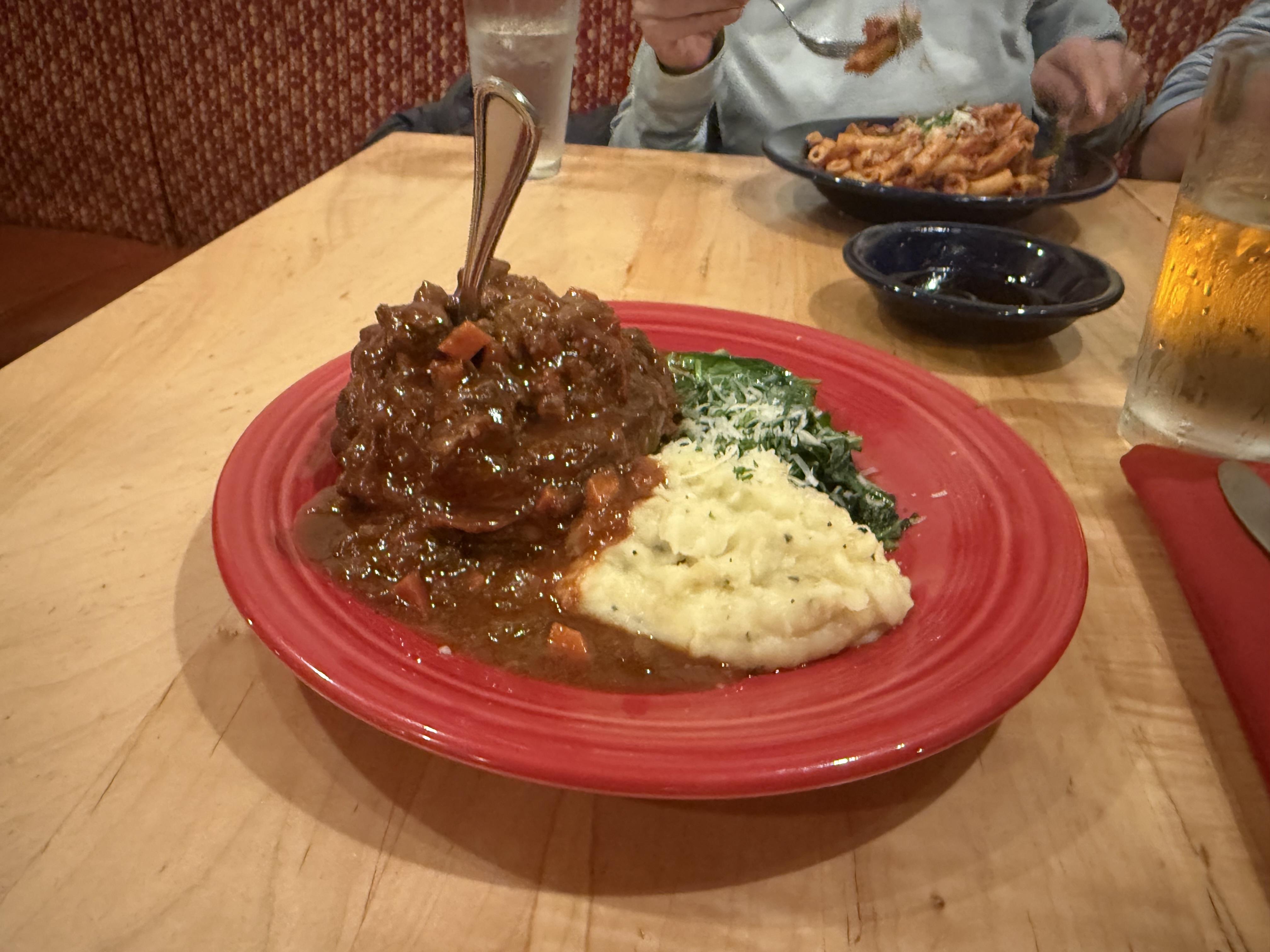
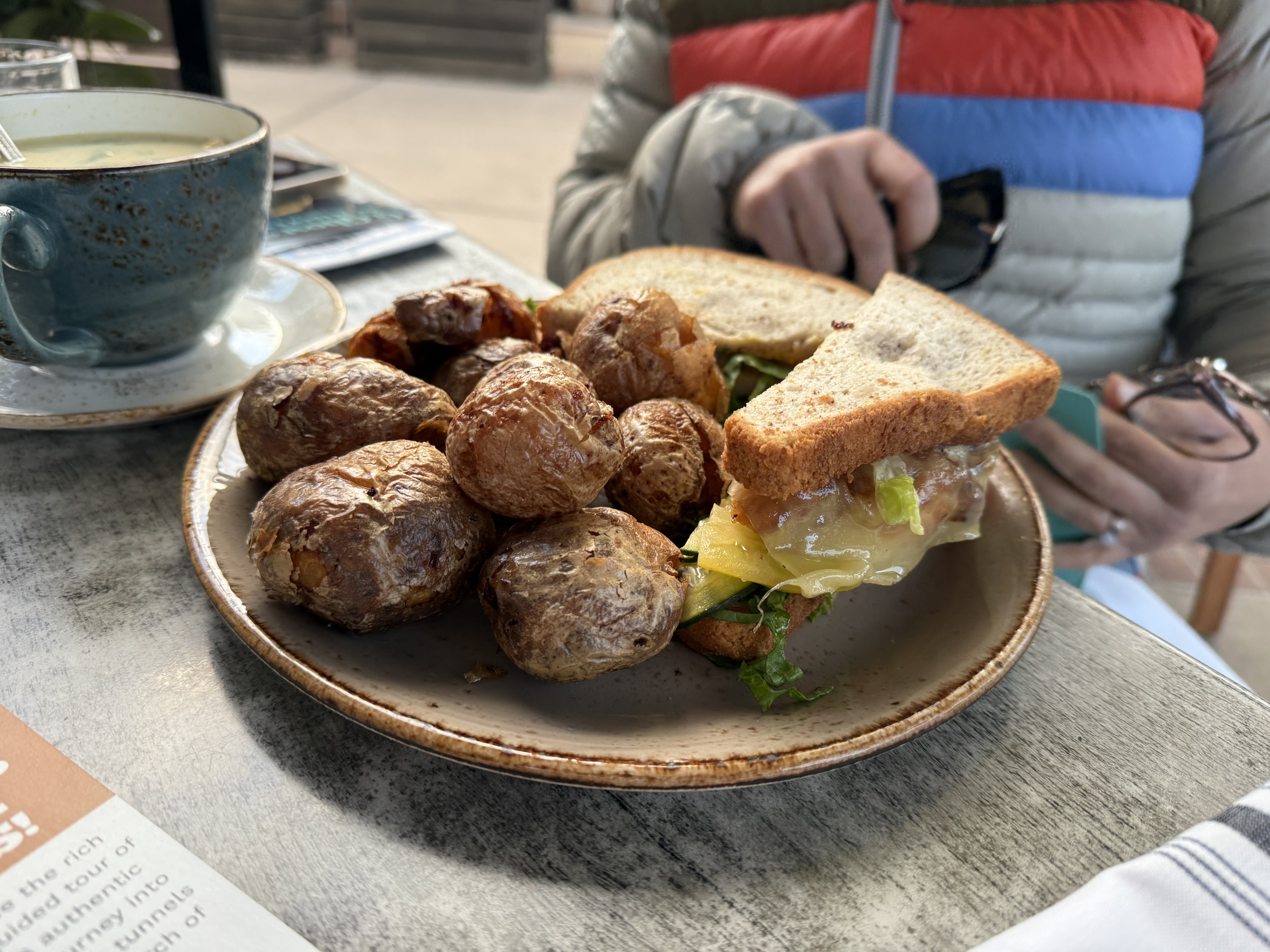
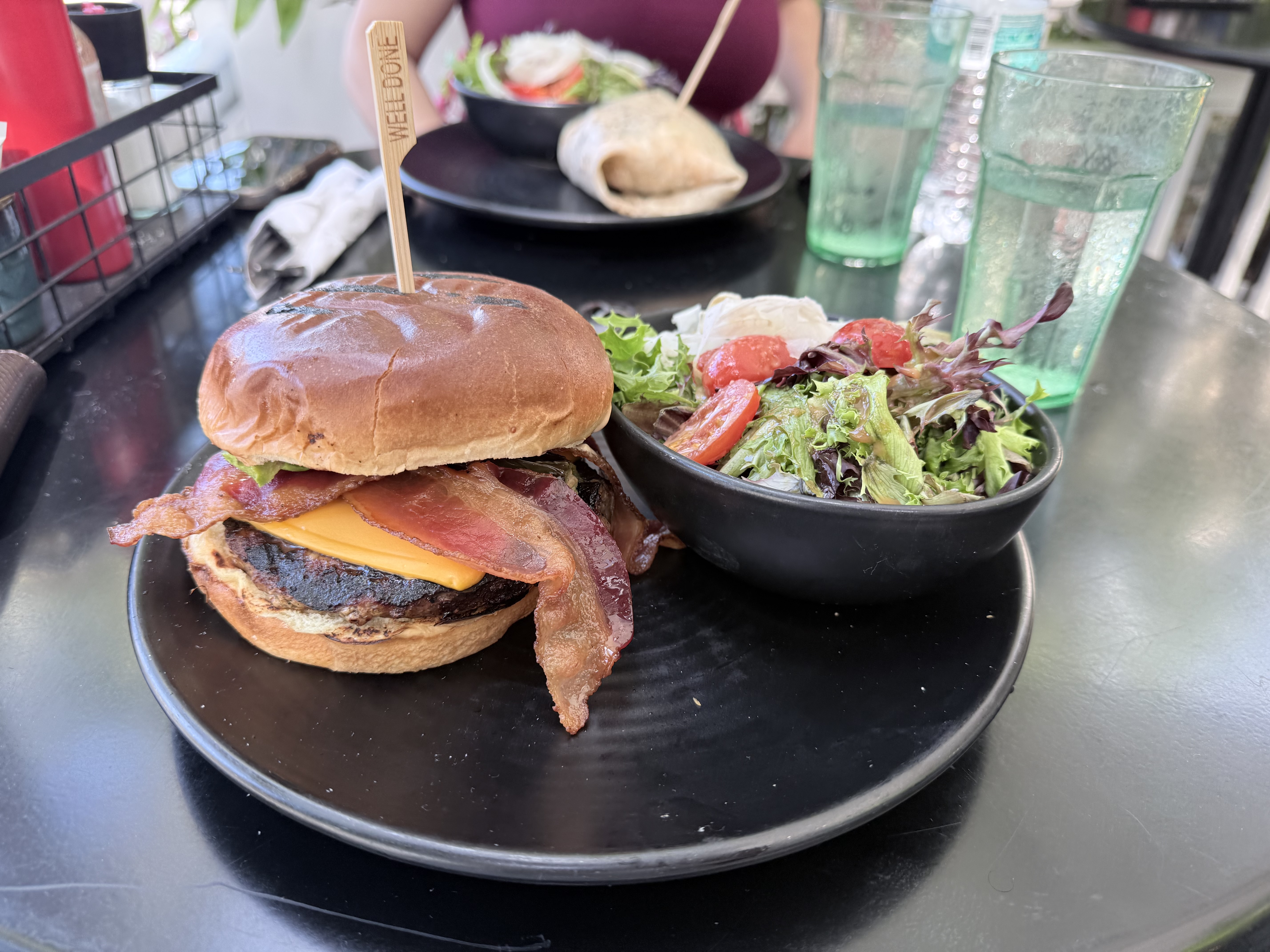
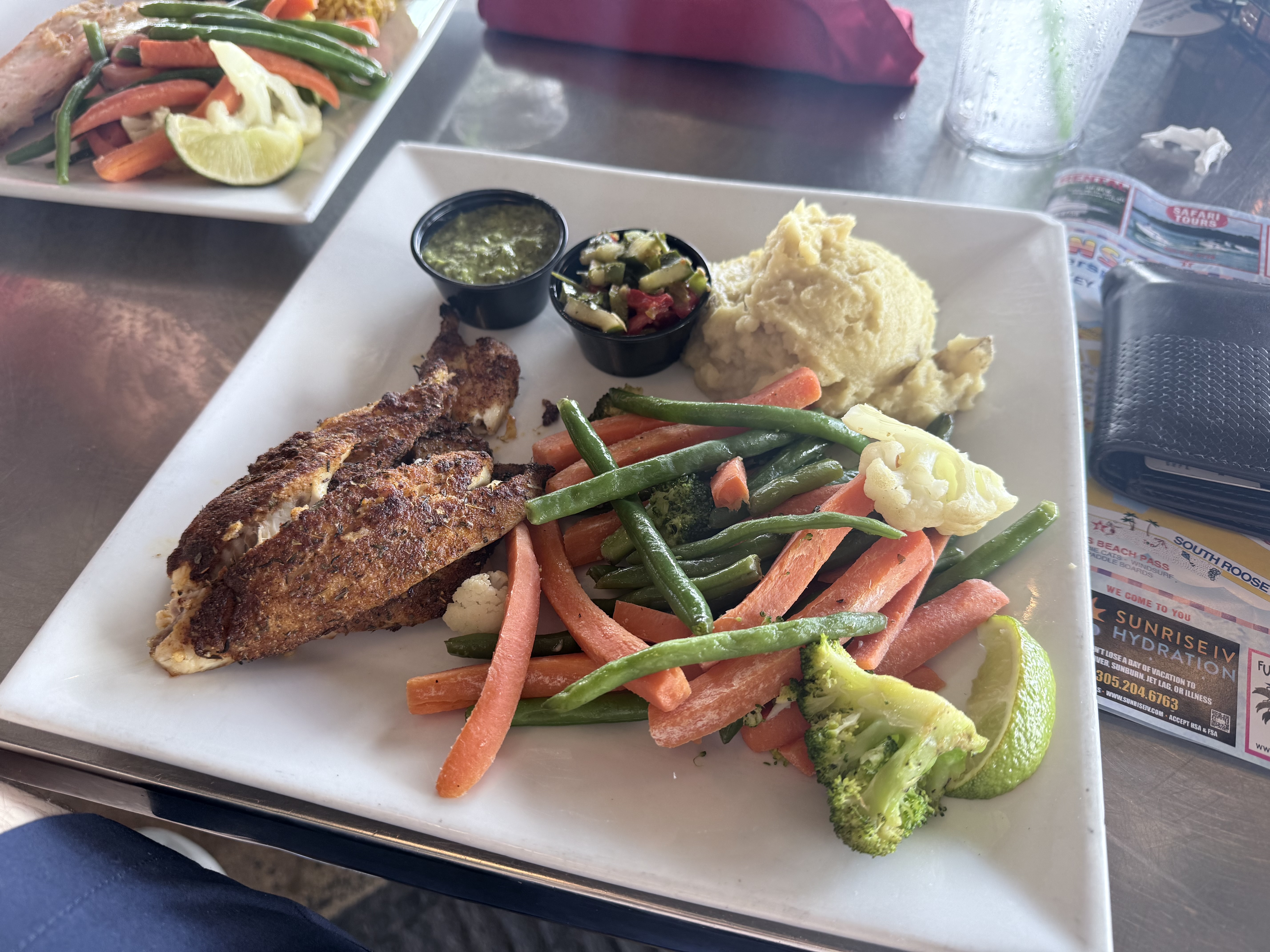
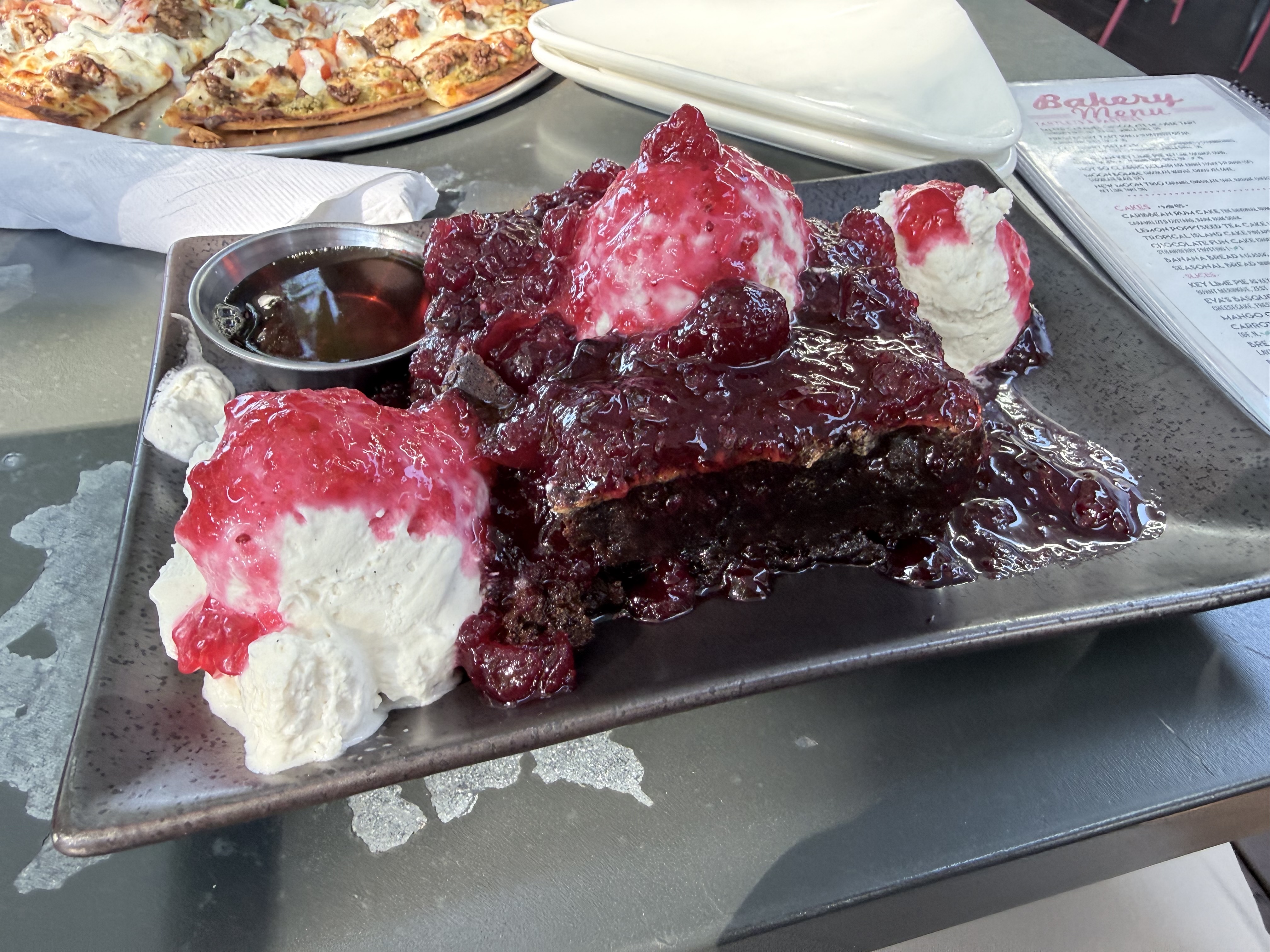
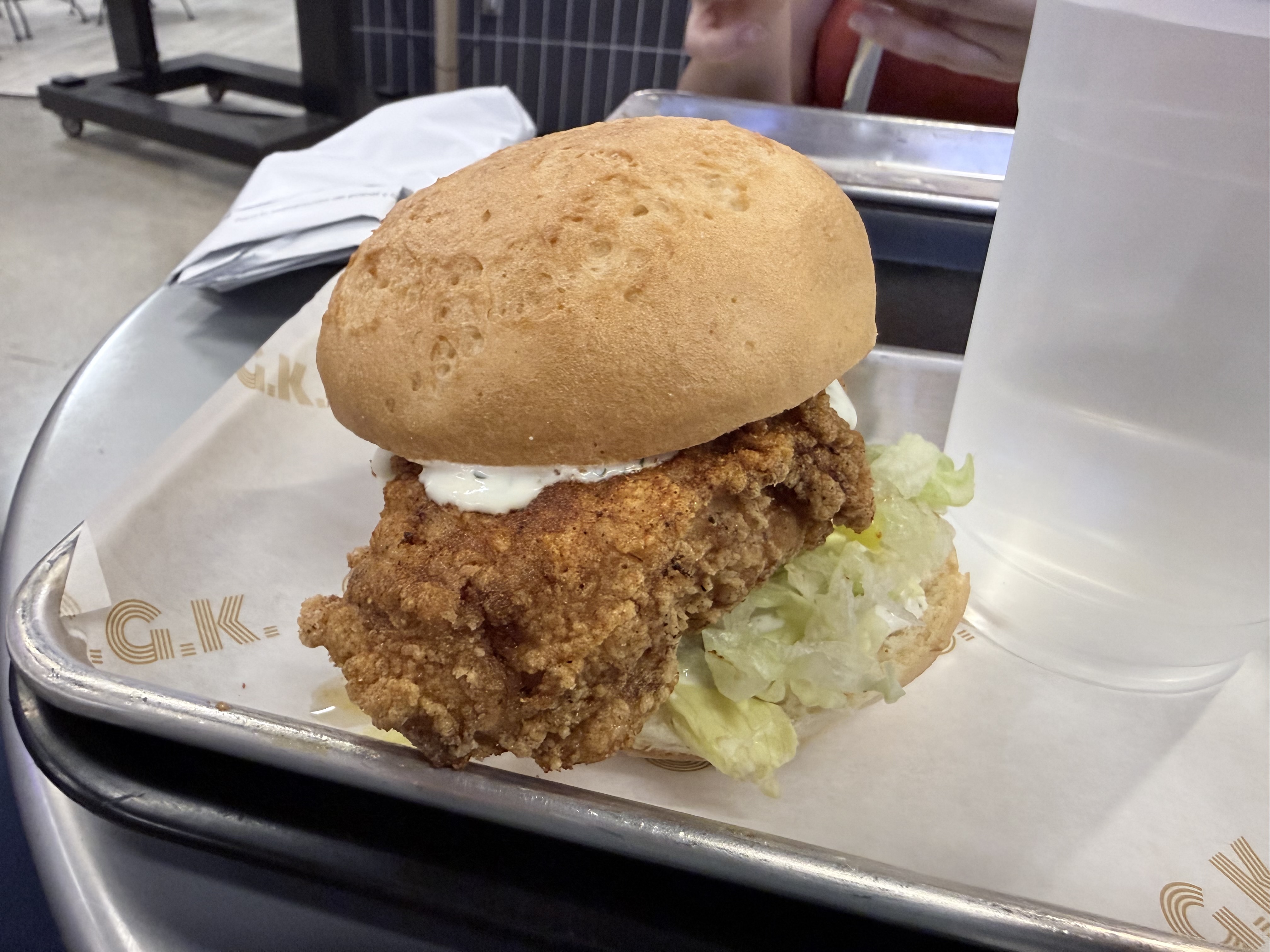
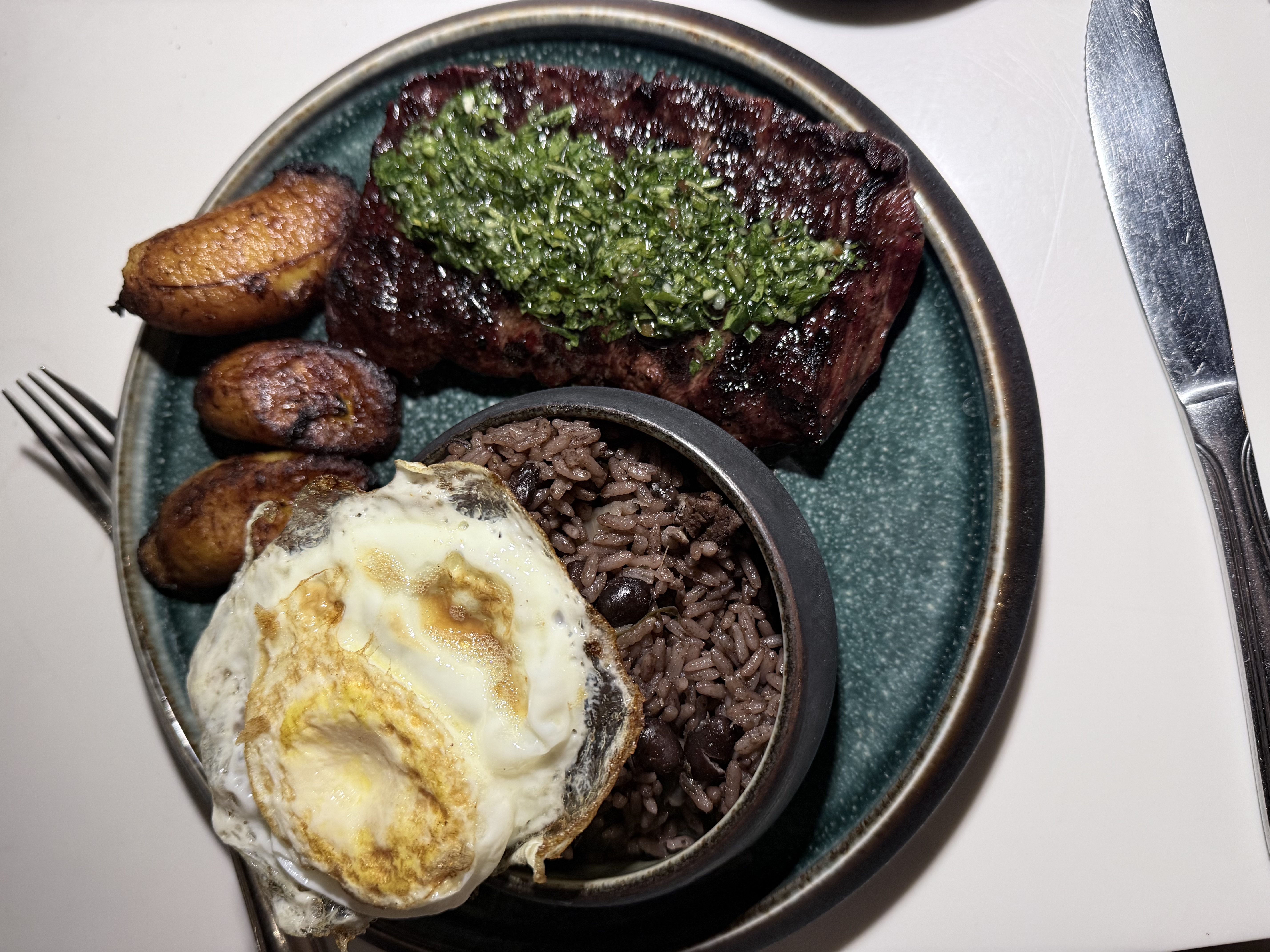
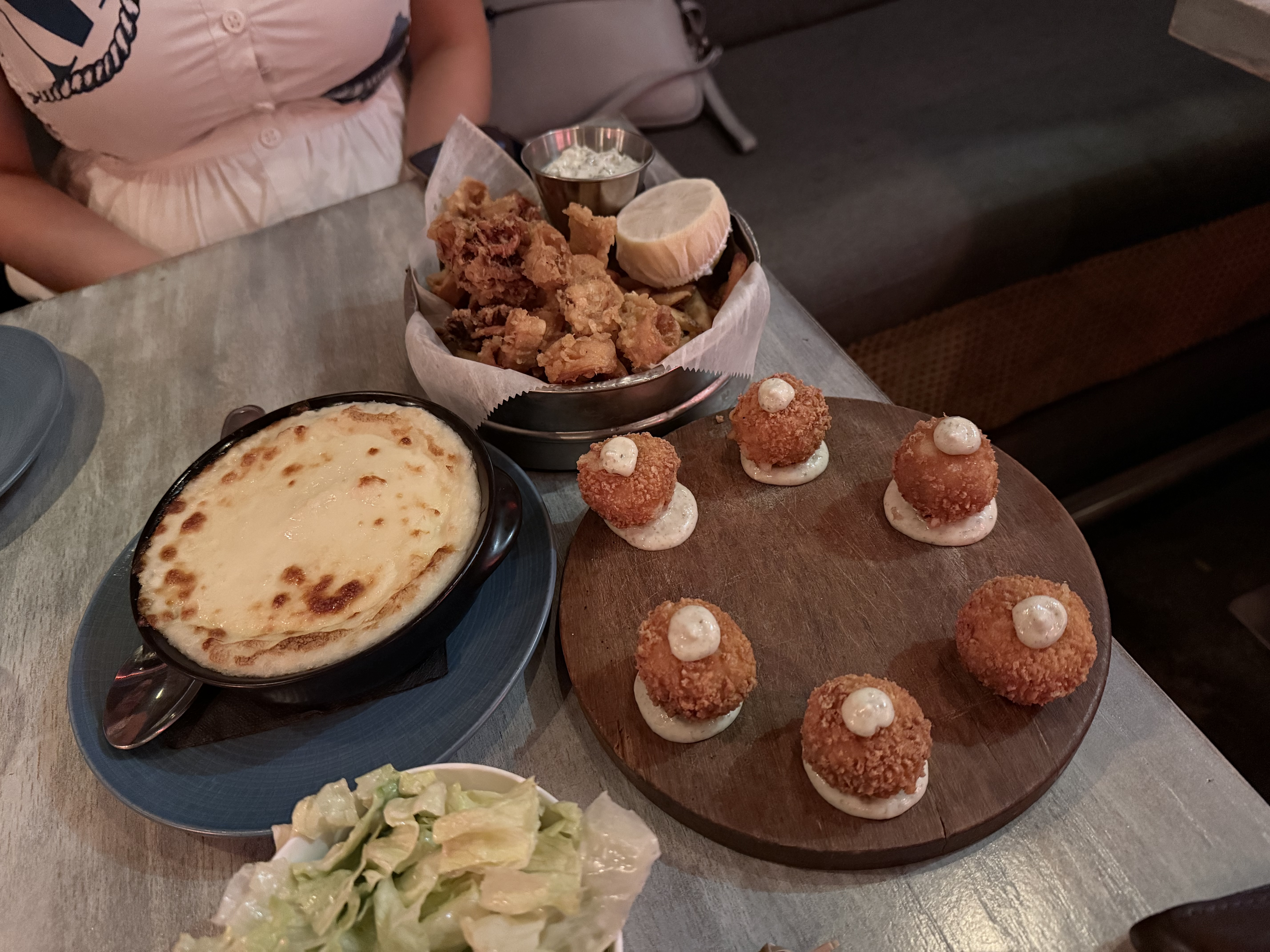
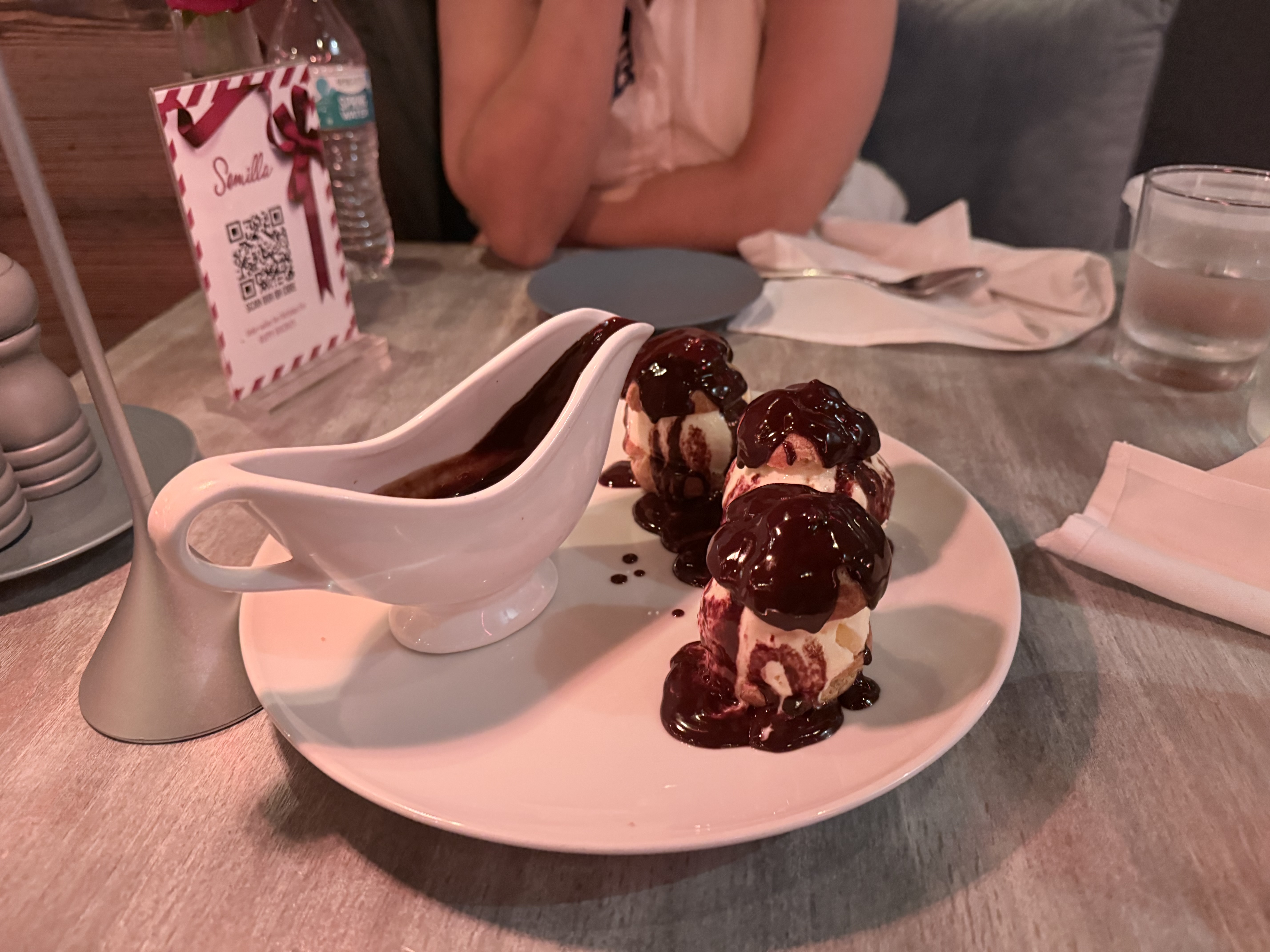
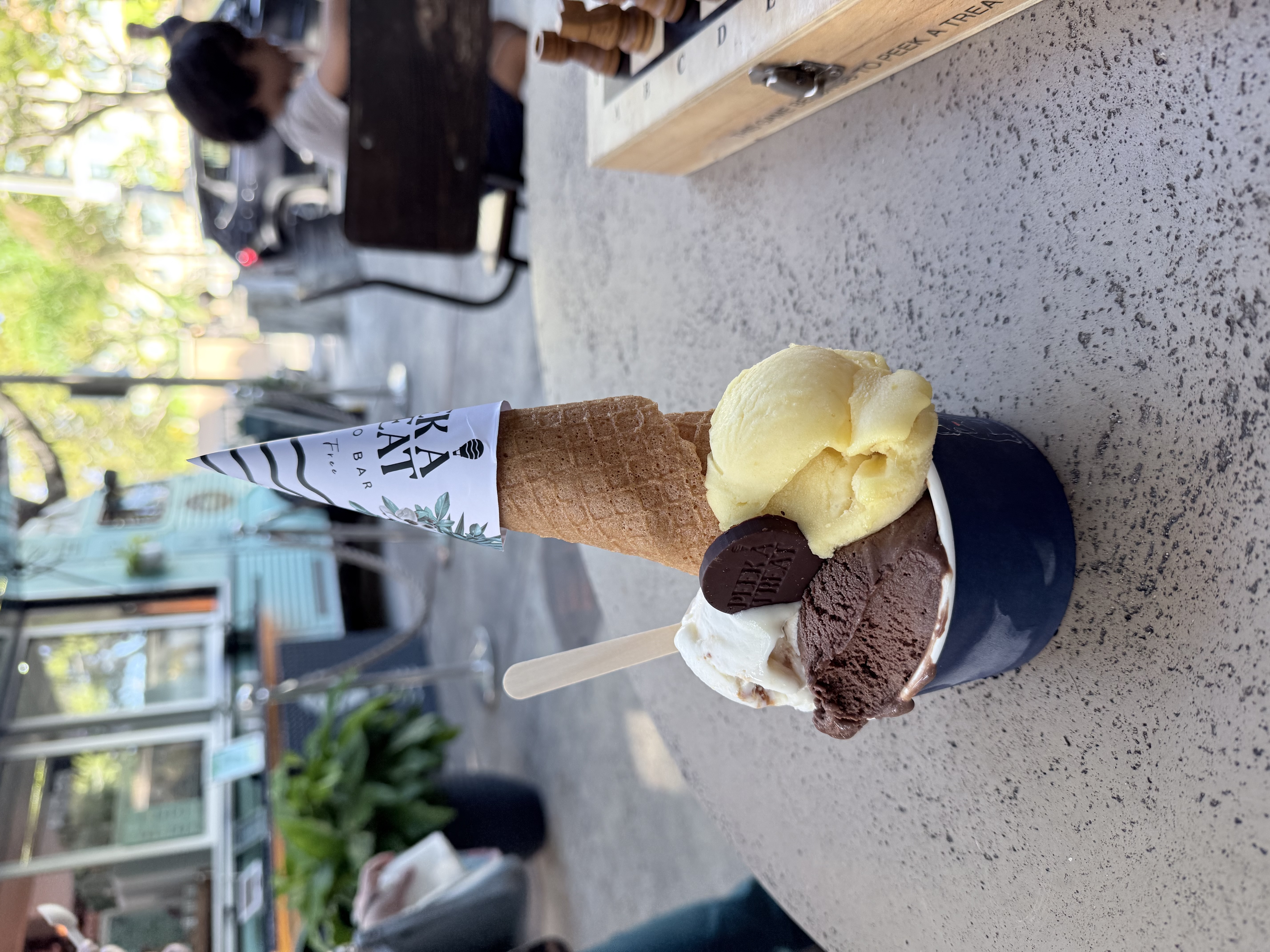
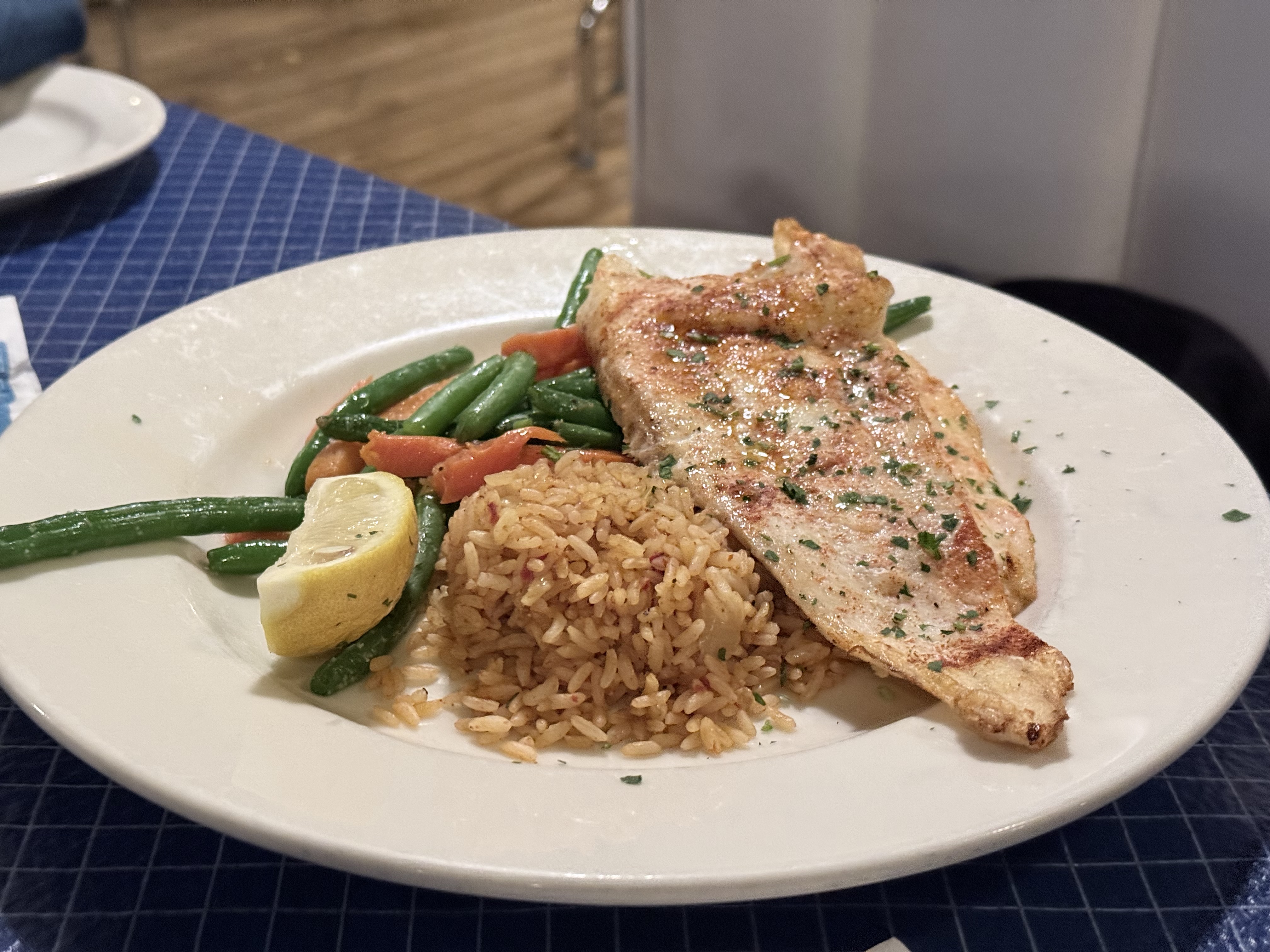
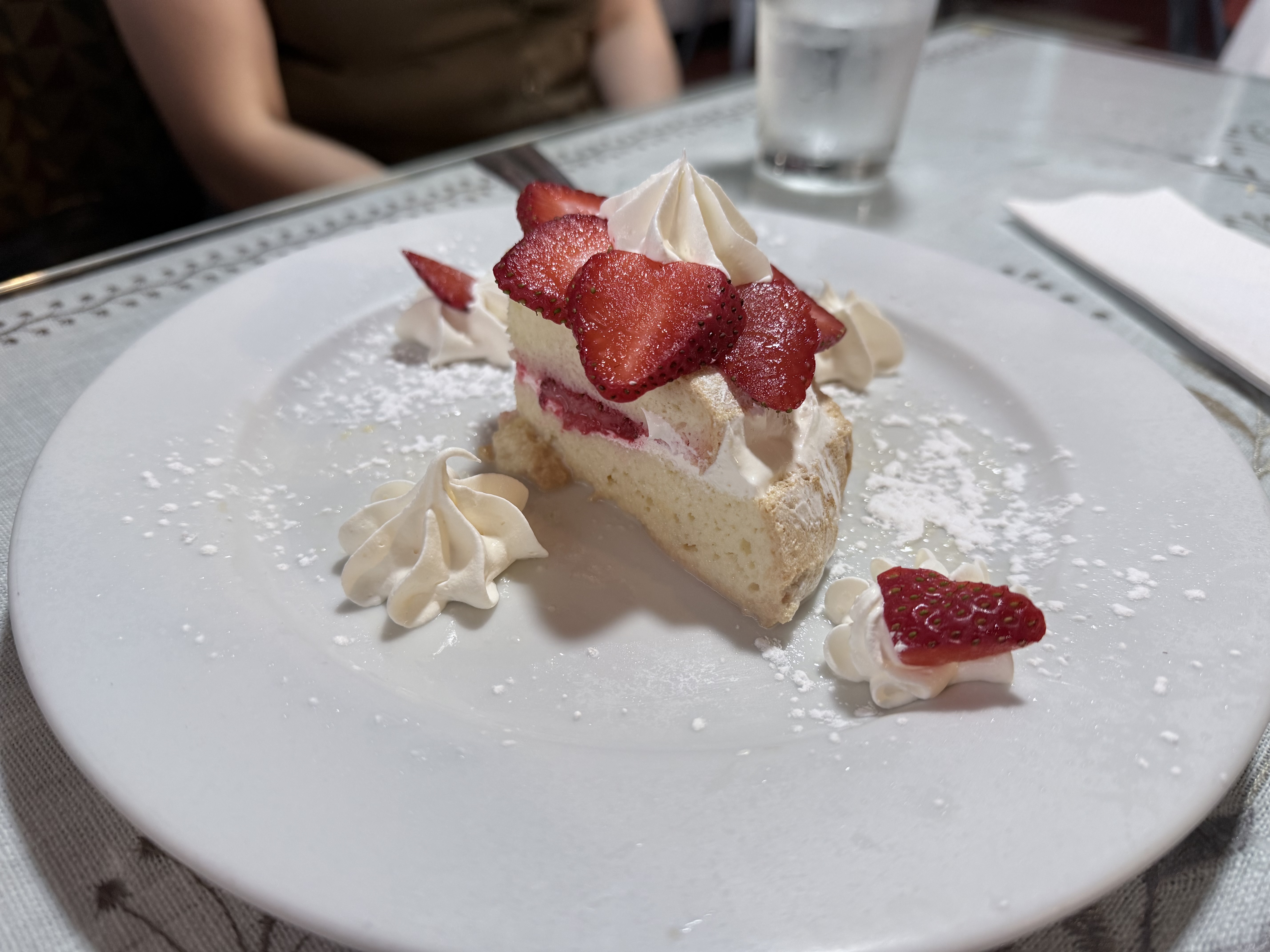
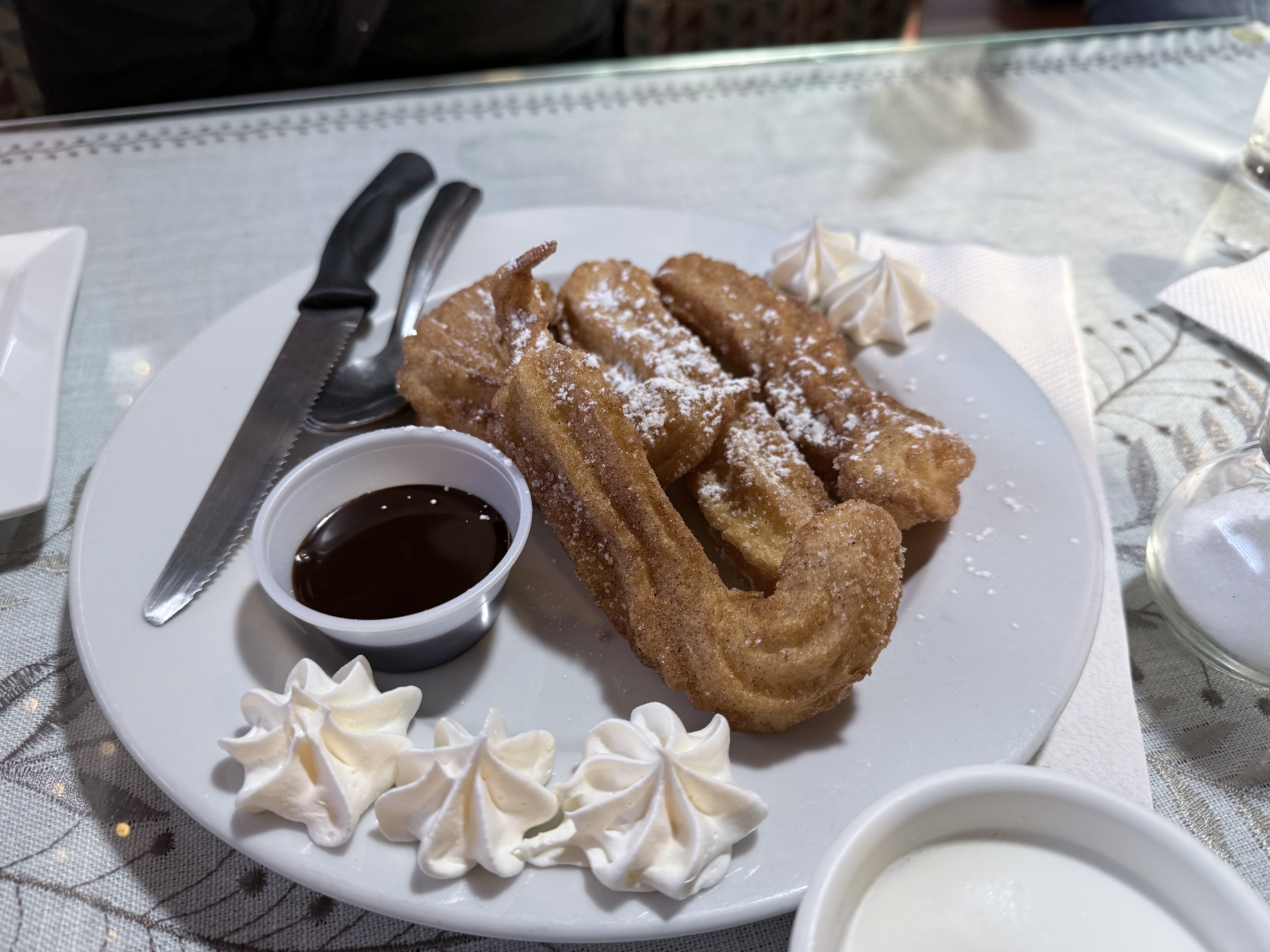
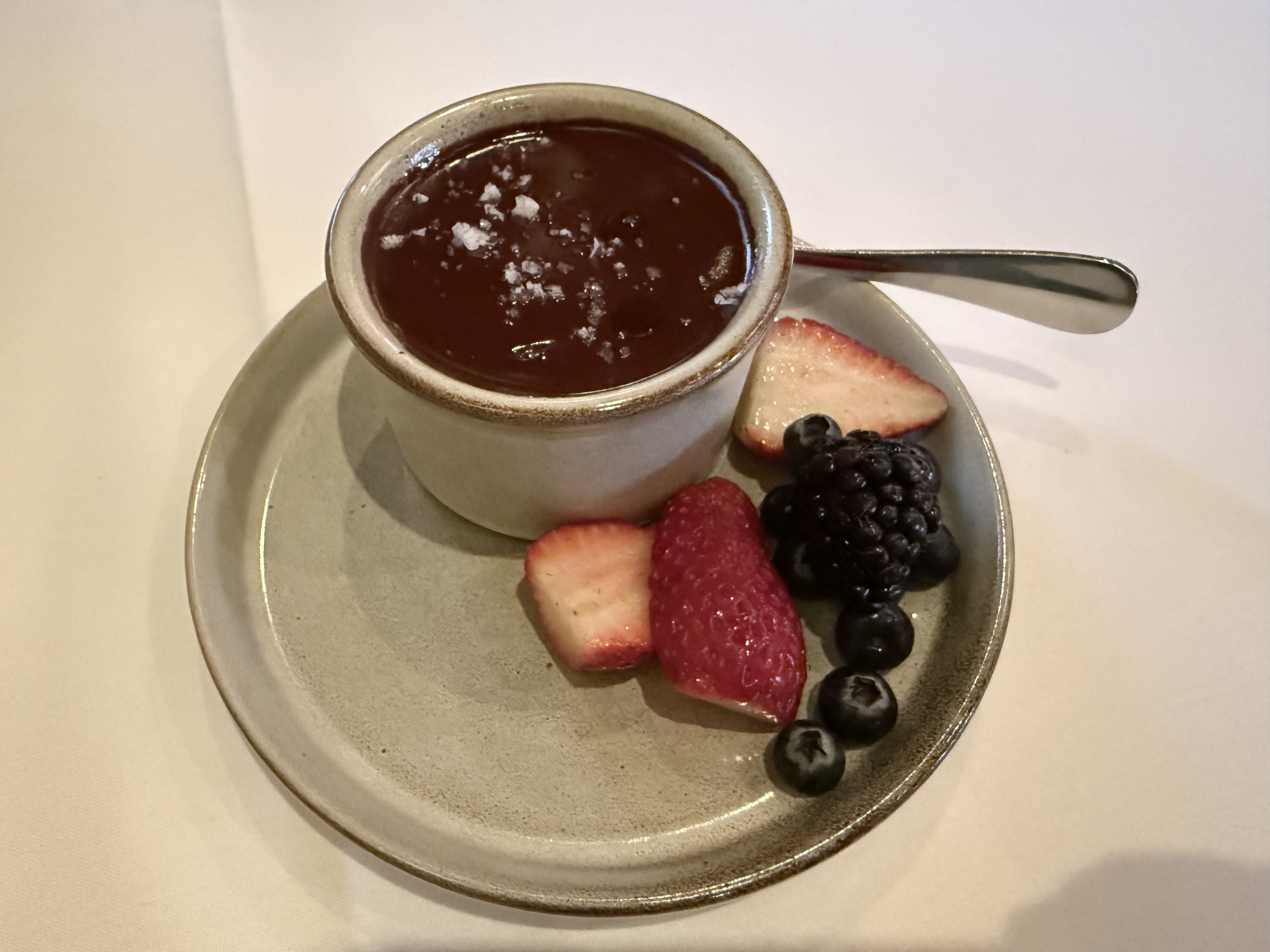
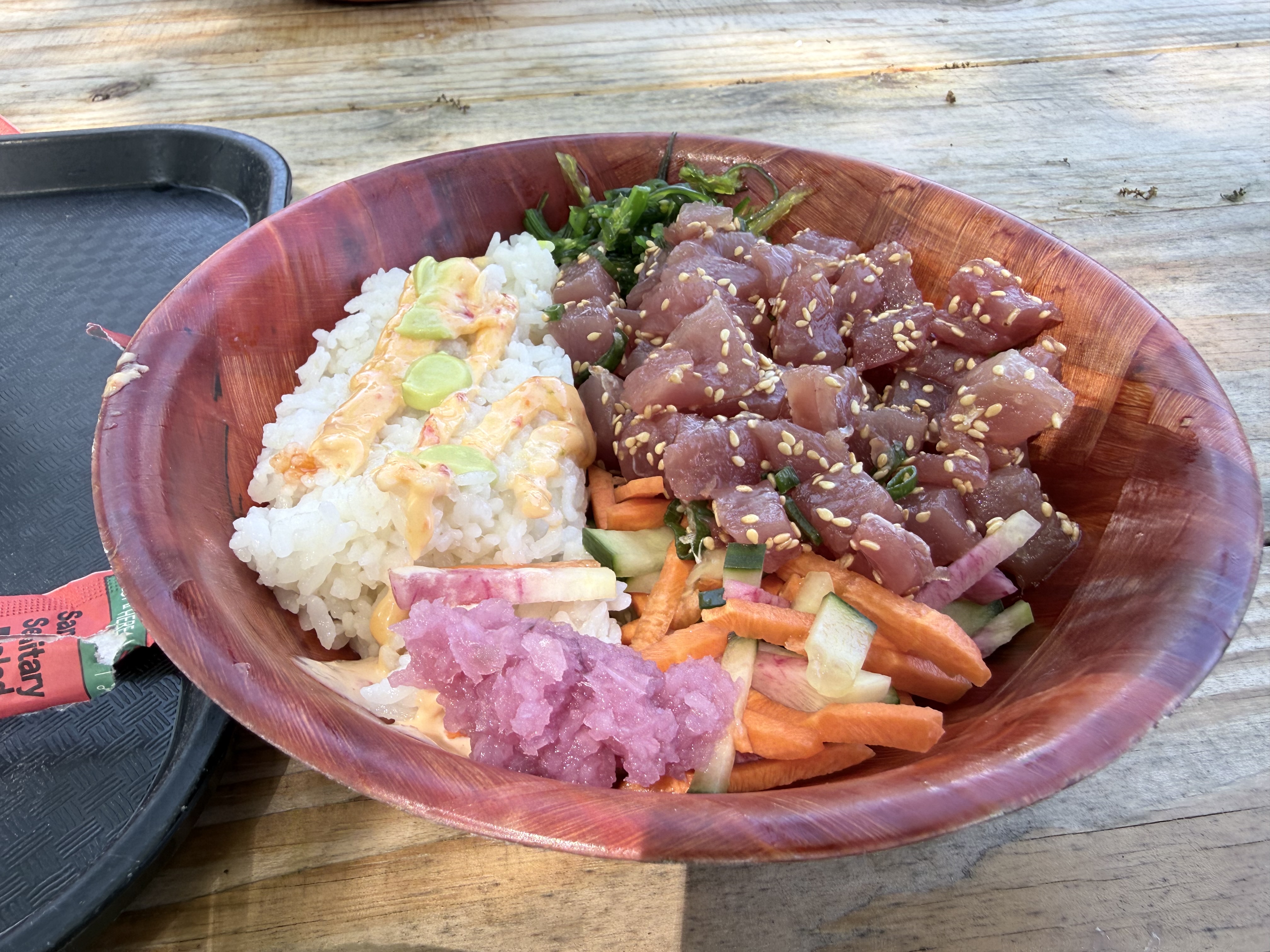
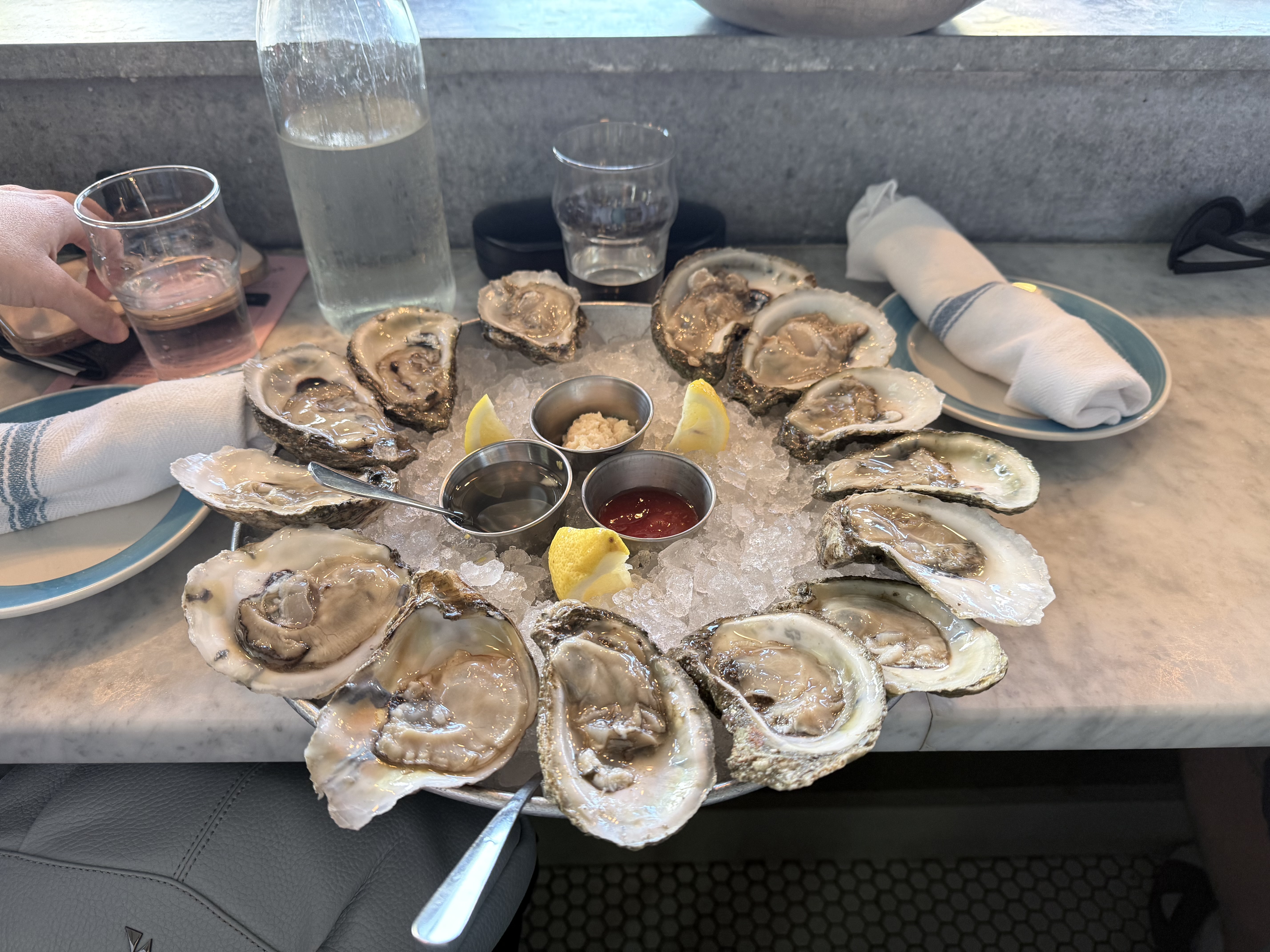
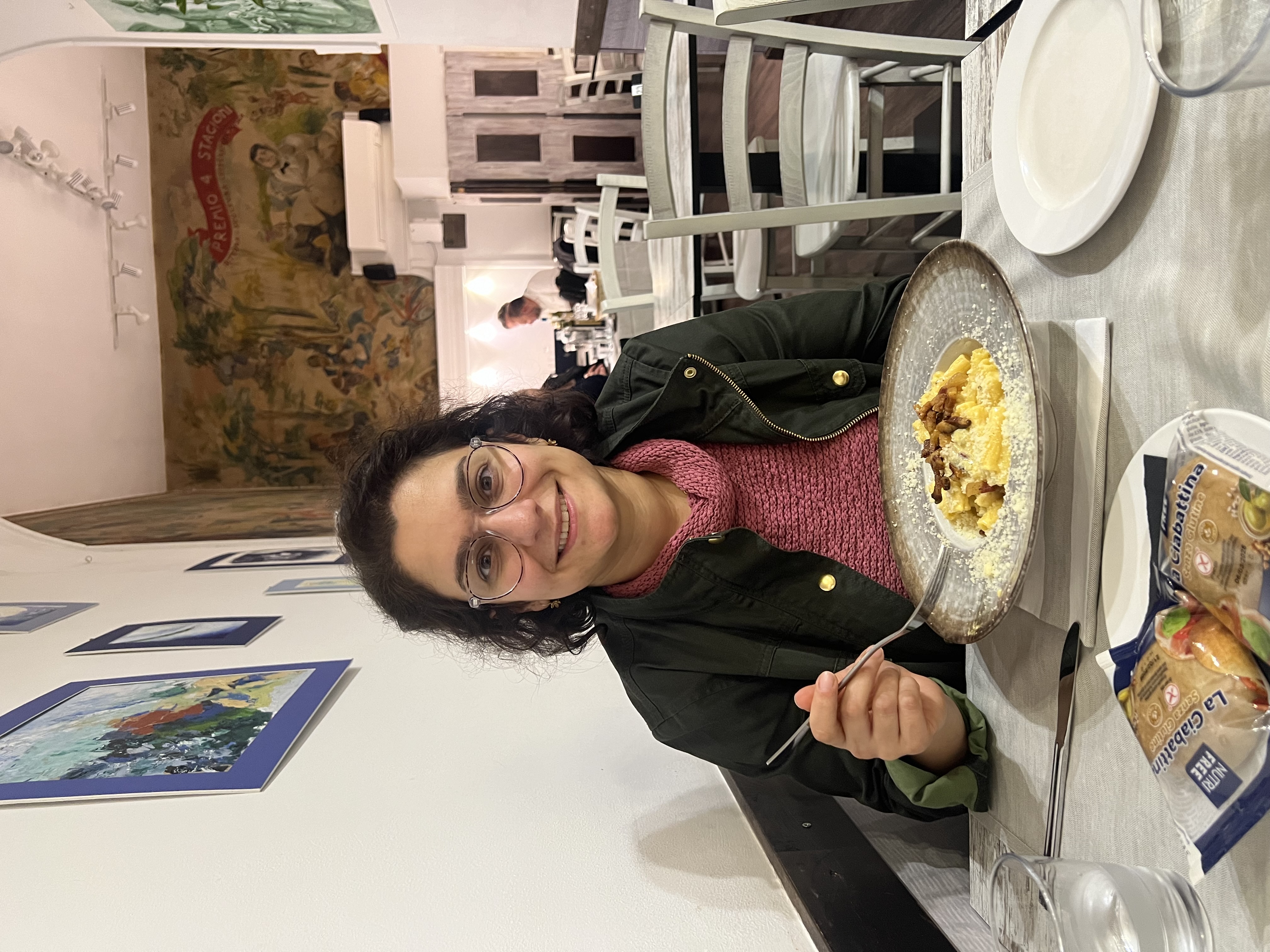
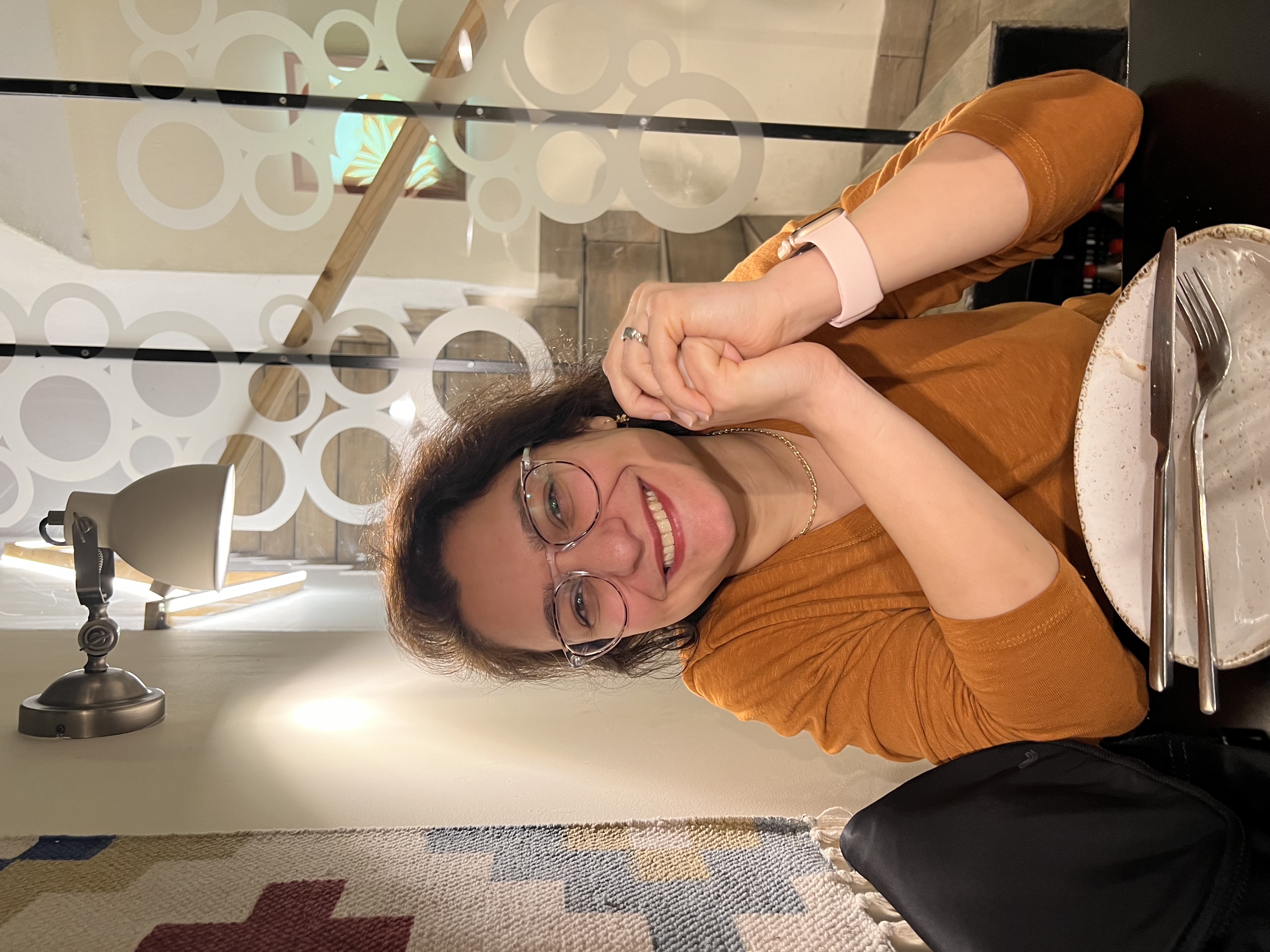
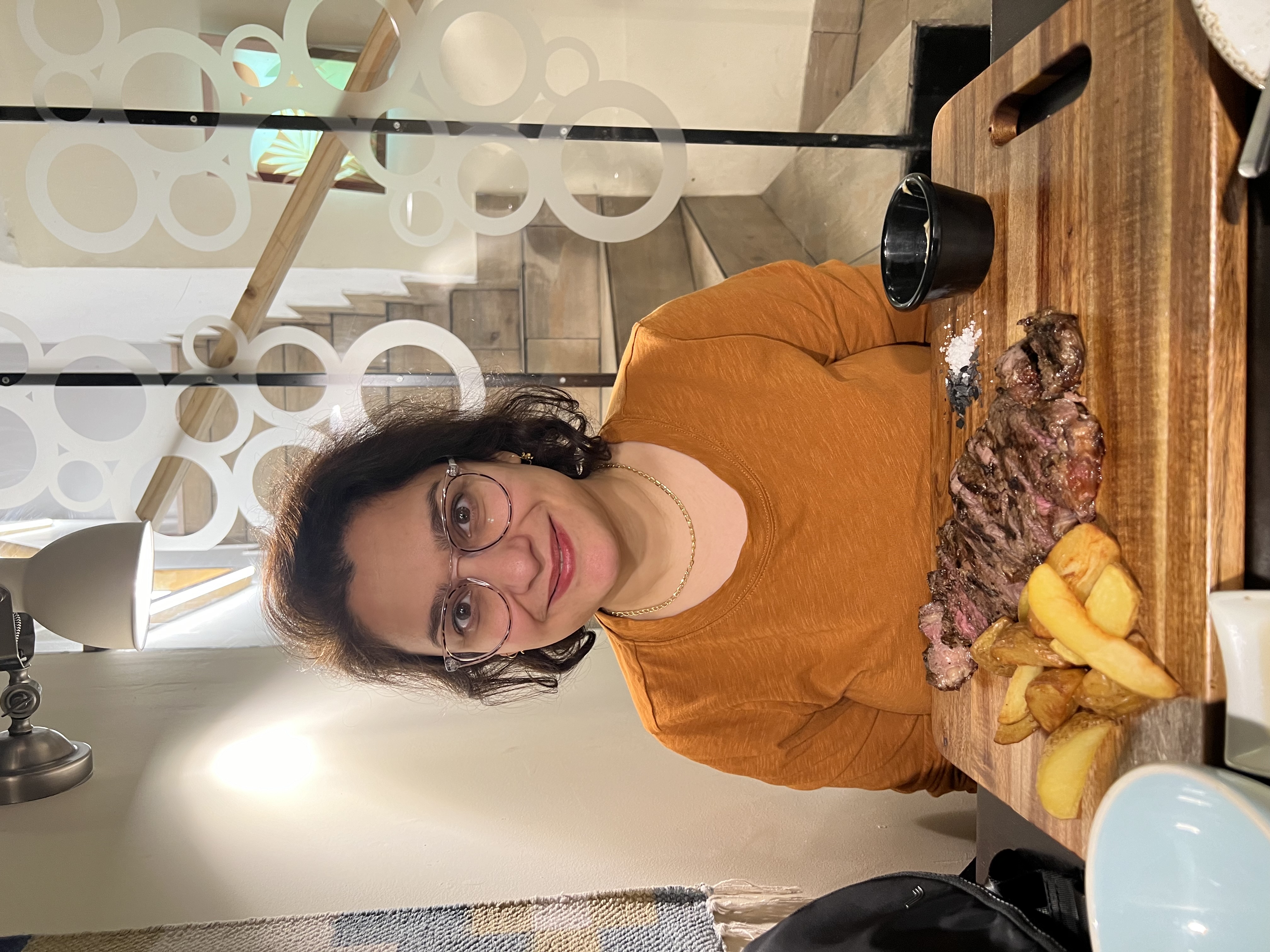
These plates are not props. They are the meals we researched, ordered, double-checked, and celebrated—proof that celiac life can still be full of color when you have the right information and the courage to ask one more clarifying question.
Food & places — from the road
This is what we want for you
We built Gluto so that eating out and travel feel less like a stress test and more like the adventure they always were. Not because risk disappears—it doesn’t—but because you are not alone in the research at 11 p.m. the night before a flight.
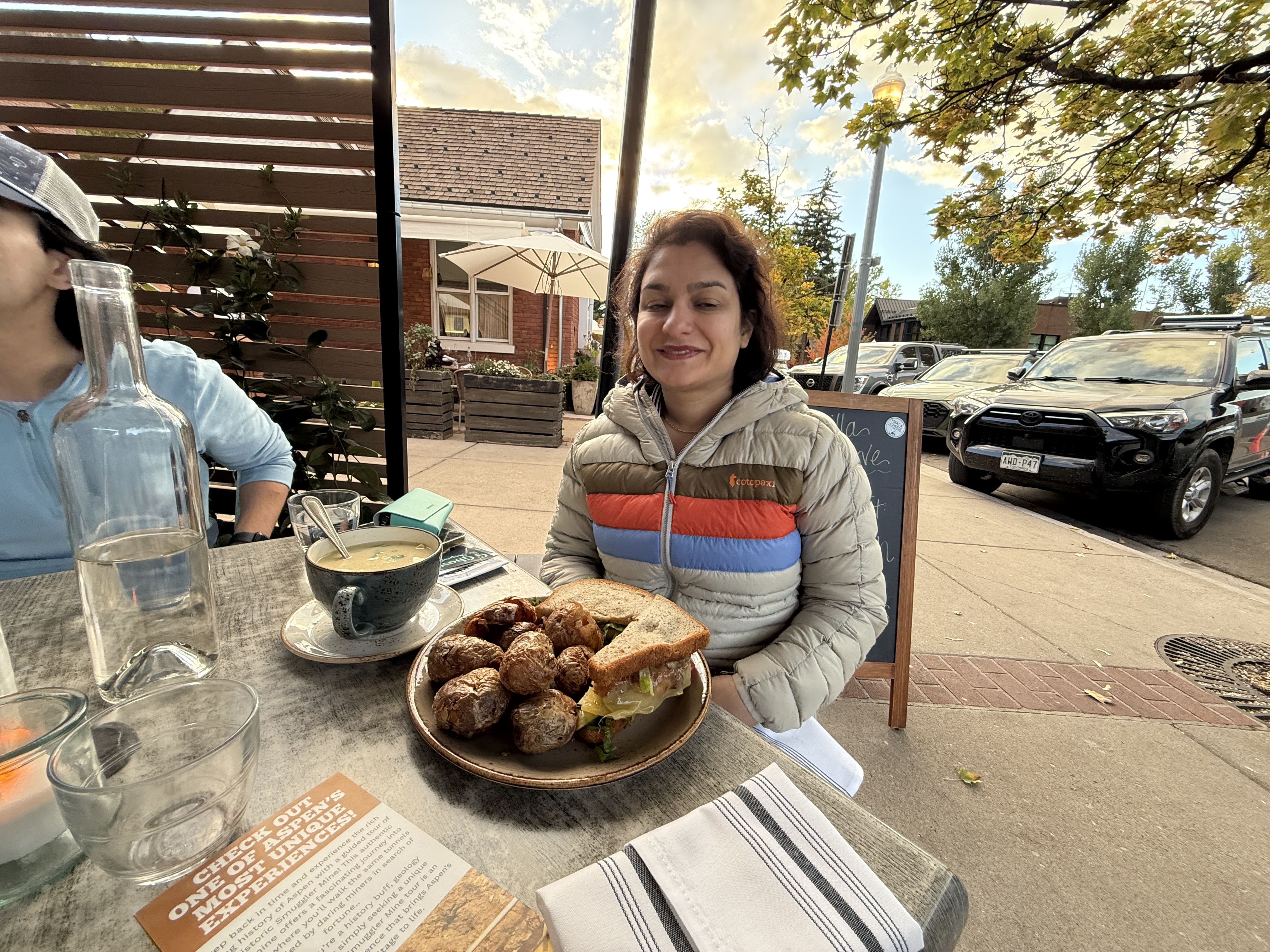
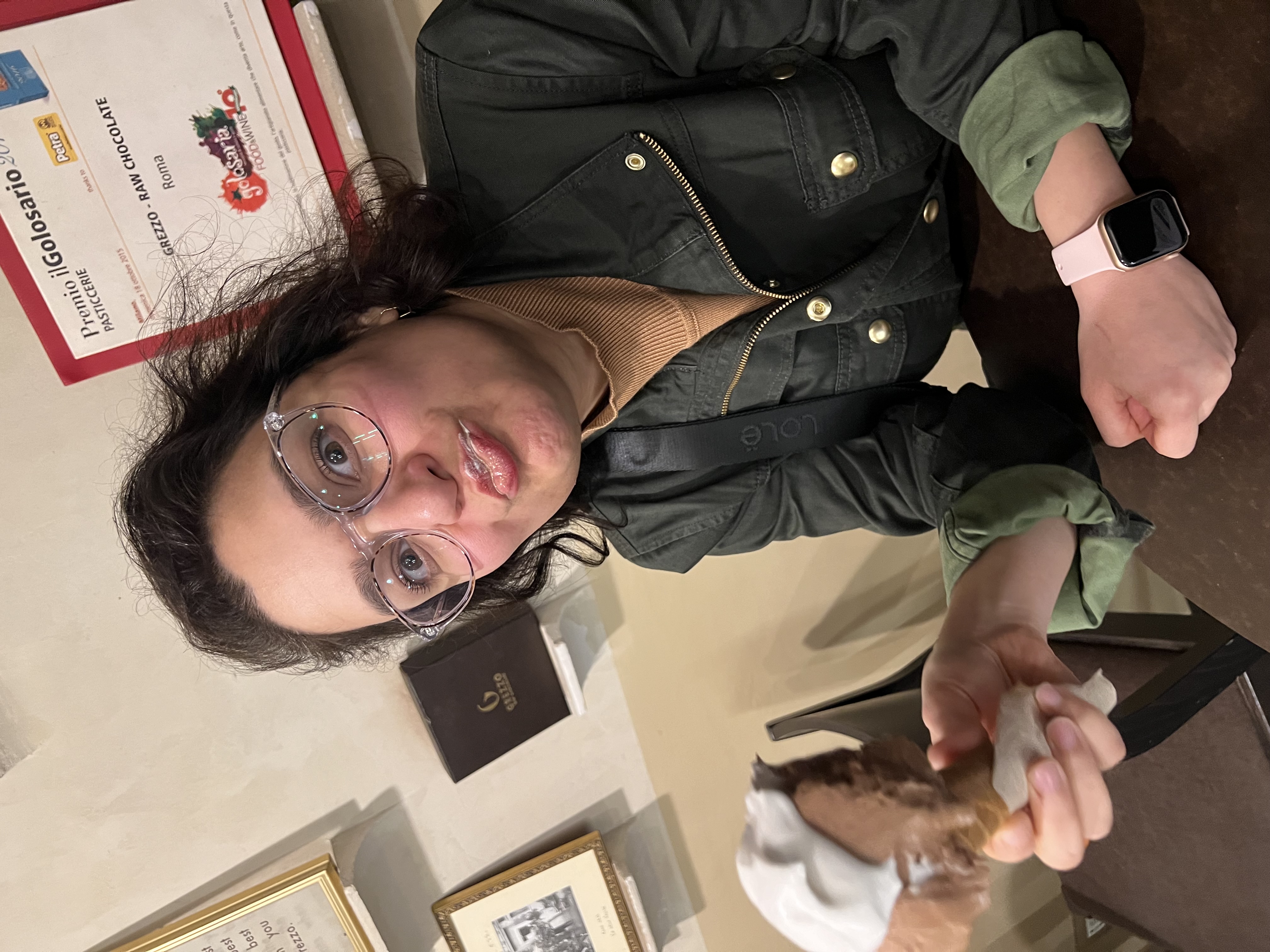
If we can feel this much like ourselves again—with passports, crumbs, and courage—you can too. Gluto is our invitation to sit at the table with us.
Joy at the table
Note: Our Europe trip describes our own careful experience, not a guarantee for every traveler. Celiac disease varies by person and place; always confirm ingredients, preparation, and cross-contact with restaurants and your healthcare providers. Gluto is a decision-support tool, not a medical device.
Meet Gluto
Chat for celiac-safe guidance, scan products, or explore the map—built by a family that still believes the best stories happen around food.